
Gum Disease Treatment in Ravet - What Do Bleeding Gums Really Say About Your Oral Health
Gum Disease Treatment in Ravet - What Do Bleeding Gums Really Say About Your Oral Health
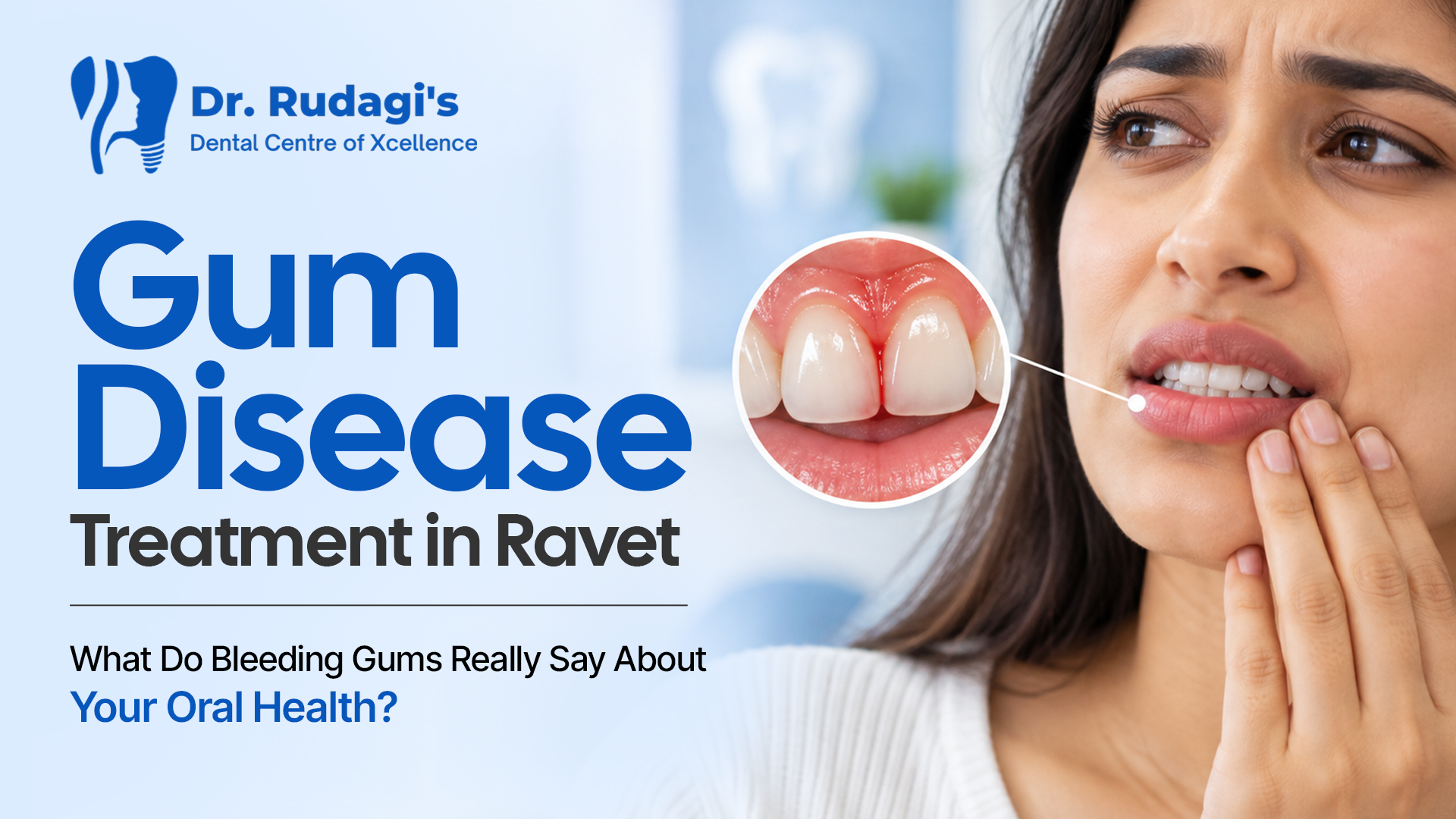
Bleeding gums can be easy to ignore, especially when there is no toothache. Many people notice a little blood while brushing or flossing and assume it will go away on its own. But repeated bleeding can be an early warning that our gums need more attention. In some cases, it may be linked to plaque buildup, gingivitis, or a more advanced gum infection.
When we understand the cause early, we can often take steps to protect our gums and teeth before the problem becomes more serious. Gum Disease Treatment in Ravet focuses on identifying the cause of gum problems and providing treatment according to the condition of our gums.
What Do Bleeding Gums Really Tell Us About Our Oral Health?
Healthy gums generally do not bleed regularly during normal brushing or cleaning between teeth. If our gums bleed often, become red or swollen, or feel tender, it can indicate inflammation.
One of the most common reasons is plaque. Plaque is a sticky layer of bacteria that develops on our teeth. If it is not removed properly, it can irritate the gumline. Over time, plaque can harden into tartar, which cannot be completely removed through ordinary brushing.
Bleeding gums do not automatically mean that we have severe gum disease. However, repeated bleeding is a reason to pay closer attention to our oral health and consider a dental examination.
Common Causes of Bleeding Gums
Several factors can contribute to bleeding gums. Understanding the possible causes helps us know when professional care may be needed.
Plaque and Tartar Buildup
Poor plaque control can cause inflammation around the gumline. When plaque remains for longer periods, it can harden into tartar and increase gum irritation.
Gingivitis
Gingivitis is an early form of gum disease. Common signs include red, swollen, or bleeding gums. With appropriate professional care and improved oral hygiene, early gum inflammation can often be managed.
Periodontitis
If gum disease progresses, it can affect the tissues and bone supporting our teeth. Periodontitis may cause gum recession, persistent bad breath, loose teeth, or deeper gum pockets.
Brushing Too Hard
Bleeding is not always caused by gum disease. Using excessive force while brushing or using a toothbrush with hard bristles can irritate the gums.
Improper Flossing
If we are new to cleaning between our teeth, the gums may initially feel sensitive. Gentle and consistent cleaning is important rather than stopping completely because of minor bleeding.
Other Factors
Hormonal changes, certain medications, tobacco use, nutritional problems, and some medical conditions can also affect gum health. Persistent or unexplained bleeding should be discussed with a dental or medical professional.
Gingivitis and Periodontitis What Is the Difference
Not every gum problem is at the same stage. Knowing the difference between gingivitis and periodontitis helps us understand why early care matters.
|
Feature |
Gingivitis |
Periodontitis |
|
Stage |
Early gum disease |
More advanced gum disease |
|
Common signs |
Red, swollen, bleeding gums |
Bleeding, recession, deeper pockets and possible tooth mobility |
|
Main area affected |
Gum tissue |
Gums and supporting structures |
|
Plaque and tartar |
Common contributors |
Common contributors |
|
Treatment approach |
Professional cleaning and improved oral hygiene may help |
May require deeper periodontal treatment |
|
Risk if untreated |
Can progress |
May contribute to tooth and bone loss |
The exact condition cannot be determined from bleeding alone. A dentist needs to examine our gums and teeth to understand the severity.
Other Signs That Our Gums May Need Attention
Bleeding is only one possible symptom. We should also watch for:
-
Red or swollen gums
-
Gum tenderness
-
Persistent bad breath
-
Pus around the gums
-
Receding gums
-
Increased tooth sensitivity
-
Pain while chewing
-
Food frequently getting trapped between teeth
-
Teeth feeling loose in advanced cases
If several of these symptoms occur together, delaying dental care may allow the underlying problem to progress.
How Can Gum Disease Treatment in Ravet Help?
The treatment recommended for gum disease depends on its cause and severity. A dentist may first examine the teeth and gums, check for plaque and tartar, assess gum pockets, and recommend dental X-rays when necessary.
For early gum inflammation, professional teeth cleaning along with improved daily oral hygiene may be recommended. Cleaning removes deposits that regular brushing cannot effectively eliminate.
For deeper gum disease, scaling and root planing may be considered. This procedure involves carefully cleaning deposits from the tooth surfaces, including areas below the gumline, to help manage periodontal inflammation.
In more advanced cases, additional periodontal procedures may be required. The appropriate approach depends on the condition of the gums and supporting tissues.
This is why Gum Disease Treatment in Ravet should not be viewed as one standard procedure for everyone. Proper diagnosis comes first, followed by a treatment plan suited to our individual needs.
Can Bleeding Gums Improve With Better Oral Care?
Sometimes mild gum inflammation can improve when we become more consistent with brushing and cleaning between our teeth. However, home care cannot remove hardened tartar.
We can support healthier gums by brushing twice a day with a soft-bristled toothbrush, cleaning between our teeth regularly, and attending dental checkups as recommended.
If bleeding continues despite good oral hygiene, it is better to have our gums examined rather than assuming that the problem will eventually disappear.
When Should We See a Dentist for Bleeding Gums?
A dental appointment becomes especially important when bleeding is frequent or accompanied by other symptoms.
We should consider professional evaluation if:
-
Our gums bleed repeatedly while brushing.
-
Swelling or redness does not settle.
-
We have persistent bad breath.
-
Our gums appear to be pulling away from our teeth.
-
We notice pus around the gumline.
-
Our teeth feel loose.
-
Gum pain or sensitivity continues.
-
Bleeding persists despite improving our oral hygiene.
Early evaluation can help identify problems before they become more difficult to manage.
How We Can Protect Our Gums After Treatment?
Professional treatment is only one part of maintaining healthy gums. Our daily habits also matter.
We can protect our gum health by:
-
Brushing twice daily using gentle circular movements.
-
Cleaning between our teeth every day.
-
Replacing a worn toothbrush regularly.
-
Avoiding tobacco products.
-
Limiting frequent sugary snacks and drinks.
-
Following the dentist's recommended cleaning schedule.
-
Visiting the dentist when bleeding or other gum symptoms return.
For children and teenagers, parents can also encourage regular brushing and help them develop consistent oral hygiene habits.
Why Early Gum Disease Treatment Matters?
Gum problems can develop gradually. We may not experience significant pain during the early stages, which makes regular dental evaluation important.
Treating gum inflammation early may help us maintain healthier gums and reduce the chance of progression. It can also make everyday oral hygiene easier and help protect the tissues supporting our teeth.
If bleeding has become a regular part of brushing, we should not simply accept it as normal. A dental examination can help identify whether the cause is simple irritation, gingivitis, tartar buildup, or another condition.
Choosing a Dentist for Bleeding Gums in Ravet
When looking for a dentist for bleeding gums in Ravet, we should look for a clinic that takes time to understand our symptoms rather than immediately recommending a procedure.
A good dental consultation should include an examination of the gums, an explanation of the findings, and a clear discussion of available treatment options. We should also understand what we can do at home to maintain the results.
Treatment should always be based on our actual oral health condition rather than a one-size-fits-all approach.
Frequently Asked Questions
1. Is bleeding while brushing a sign of gum disease?
Repeated bleeding while brushing can be associated with gum inflammation, gingivitis, or other gum problems. It can also occur because of brushing too hard or improper cleaning. If bleeding continues, a dental examination can help identify the cause.
2. Can gingivitis be treated?
Early gingivitis can often be managed with professional dental care and consistent oral hygiene. Treatment depends on the amount of plaque and tartar present and the condition of the gums.
3. Is scaling and root planing necessary for everyone with bleeding gums?
No. Scaling and root planing is generally used when deeper cleaning is needed, such as in certain cases of periodontal disease. The dentist can determine whether it is appropriate after examining the gums.
4. Can gum disease cause loose teeth?
Advanced periodontal disease can affect the tissues and bone that support our teeth, which may contribute to tooth mobility. Early diagnosis and appropriate treatment can help manage gum problems before they become more severe.
5. When should I seek gum disease treatment in Ravet?
We should consider seeing a dentist when gum bleeding is frequent, persistent, or accompanied by swelling, pain, bad breath, gum recession, pus, or loose teeth. Early evaluation can help identify the problem and guide appropriate treatment.
Take Bleeding Gums Seriously Before They Become a Bigger Problem
Bleeding gums can have several causes, but repeated bleeding should not be ignored. It may be an early sign of gingivitis or another gum problem that needs professional attention.
With appropriate evaluation, professional cleaning when required, good daily oral hygiene, and timely treatment, we can take better care of our gums and protect our natural teeth.
If you are experiencing persistent bleeding, swelling, gum pain, bad breath, or other gum infection symptoms, consider scheduling a dental evaluation. Gum Disease Treatment in Ravet can begin with something as simple as understanding what is causing the bleeding and choosing the right care for your gums.
Book for appointment today: 9371971396
Visit our website : https://drrudagi.com/
