Oral Surgery
Your mouth is like a well-balanced system; every tooth, bone, and soft tissue works together so you can eat, speak, and smile with ease. But sometimes, hidden problems beneath the surface can upset this balance. A tooth might be stuck below the gums, a lump could form on the tissue, or bone may need reshaping to support dentures or implants. That’s where oral surgery comes in to restore the comfort, health, and function of your mouth.
At Dr. Rudagi’s Dental Centre of Xcellence, we provide gentle and precise oral surgery in Ravet, Pune, addressing everything from simple extractions to advanced bone grafting and soft tissue procedures. Under the guidance of Dr. B. M. Rudagi, our focus is always on making treatment comfortable, safe, and effective for every patient.
What Is Oral Surgery?
Oral surgery refers to any surgical procedure involving the mouth, teeth, gums, or jawbones. It’s used to treat infections, injuries, abnormalities, and conditions that can’t be managed through routine dental care.
This field covers a wide range of treatments, from removing impacted teeth and repairing jawbone defects to performing biopsies and treating oral lesions. In simpler terms, oral surgery helps correct structural or functional issues in the mouth to improve oral health and quality of life.
When Is Oral Surgery Needed?
Oral surgery may be recommended for various dental or jaw-related concerns, including:
Oral Manifestations of Systemic Diseases
- Many systemic conditions show early signs inside the mouth, such as discoloration, ulcers, or unusual tissue changes.
- Oral examination helps detect underlying health issues early for timely management.
Oral Diagnosis and Health Screening
- A thorough oral screening helps identify infections, abnormalities, and early signs of disease.
- It ensures accurate diagnosis and guides the right treatment plan for long-term oral health.
Mucosal Disorders
- These involve changes in the lining of the mouth, often presenting as painful or persistent patches.
- Early evaluation prevents complications and ensures proper healing.
Oral Ulcers
- Oral ulcers appear as painful sores that may indicate irritation, infection, or systemic issues.
- Surgical examination or biopsy may be needed if they do not heal on their own.
Red and White Lesions
- These patches can signal inflammation, infection, or precancerous changes in the mucosa.
- Timely diagnosis is essential to rule out serious conditions and plan treatment.
Premalignant Disease
- Premalignant lesions have the potential to progress into oral cancer if ignored.
- Early surgical removal or biopsy significantly reduces long-term risks.
Oral Biopsy
- An oral biopsy involves taking a small tissue sample to accurately identify the disease.
- It helps confirm diagnosis for persistent lesions, ulcers, or suspicious areas.
Surgical Extraction
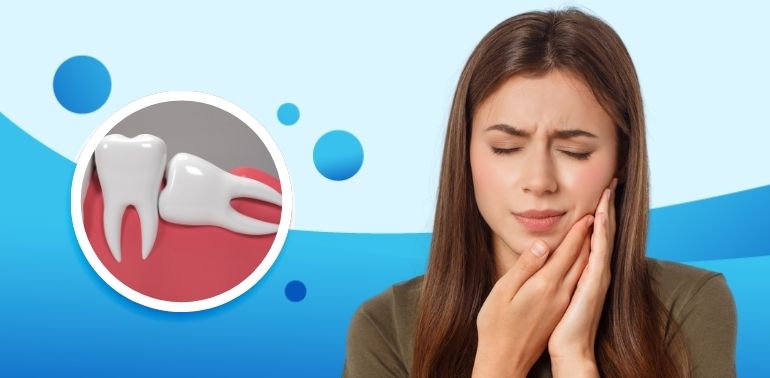
- Stubborn or impacted teeth that can’t erupt normally often require surgical removal.
- This prevents pain, infection, and damage to nearby teeth.
Surgical Exposure of Impacted Teeth
- Some teeth remain trapped beneath the gums and need exposure for orthodontic alignment.
- A minor procedure helps guide them into their proper position.
Periapical Infections and Pathology
- Infections at the root tip can cause swelling, pain, or cyst formation.
- Surgical cleaning removes the infection and promotes healthy healing.
Frenectomy
- A tight or oversized frenum can affect speech, gum health, or tooth spacing.
- A simple frenectomy releases the tension and improves function.
Oro-Antral Fistula Repair
- This repair closes an unwanted opening between the sinus and the oral cavity.
- Correction prevents sinus infections and restores proper separation of tissues.
Transplantation of Teeth
- A healthy tooth can be moved from one location to another to replace a damaged tooth.
- It preserves natural structure and can be a long-lasting alternative to implants.
Removal or Reduction of Tori
- Tori are harmless bony growths that may interfere with dentures or cause discomfort.
- Surgical removal smoothens the area and improves oral function.
Alveoloplasty
- This procedure reshapes the jawbone to prepare it for dentures or implants.
- It creates a smooth, comfortable ridge for a better fit and stability.
Genial Tubercle Reduction
- Prominent genial tubercles may affect denture comfort or tongue movement.
- Reducing them improves prosthetic fit and overall oral comfort.
Pre-Prosthetic Surgery
- These procedures optimize bone and soft tissue before placing dentures or implants.
- They ensure a stable foundation and enhance long-term prosthetic comfort.
Mylohyoid Ridge Reduction
- A sharp or prominent mylohyoid ridge can cause denture irritation or instability.
- Smoothing it improves comfort and retention for lower dentures.
Mylohyoid Ridge Reduction
- A sharp or prominent mylohyoid ridge can cause denture irritation or instability.
- Smoothing it improves comfort and retention for lower dentures.
Vestibuloplasty
- Vestibuloplasty deepens the space between the lips, cheeks, and gums to support dentures.
- It enhances denture stability, fit, and long-term comfort.
Ridge Augmentation
- This procedure rebuilds lost jawbone to restore shape and support future implants.
- It strengthens the foundation for better chewing and long-term stability.
Ridge Reduction
- Excessive or uneven ridge height can affect denture fit and comfort.
- Ridge reduction smoothens and reshapes the bone for improved prosthetic placement.
Bone Grafts
- Bone grafting adds volume where the jawbone has shrunk due to tooth loss or infection.
- It creates a strong foundation for implants and restores natural facial contours.
In simple words, whenever there’s pain, swelling, limited function, or preparation needed for future dental work, oral surgery in Ravet, Pune at Dr. Rudagi’s Dental Centre of Xcellence helps correct it with precision.
Treatment Procedure
The steps of oral surgery depend on the specific condition, but the general approach includes:
1. Consultation and Diagnosis
- A detailed examination and X-rays or scans are done to identify the problem.
- Oral health screenings also check for signs of infection, systemic disease, or precancerous changes.
2. Pre-Surgical Preparation
- Dr. Rudagi explains the procedure clearly, discusses anaesthesia options, and provides simple instructions for before and after surgery.
3. The Surgery
- Depending on the case, local anaesthesia or sedation is used to keep you comfortable.
4.Closure and Healing
- Once completed, stitches (if needed) are placed, and detailed aftercare guidance is provided.
- Follow-up visits ensure proper recovery and long-term success
Throughout your treatment, Dr. B. M. Rudagi and his team focus on precision, hygiene, and patient comfort to ensure a smooth experience.
Benefits of Oral Surgery
- Restores comfort: Relieves pain from impacted or infected teeth and soft tissue issues.
- Improves function: Helps you eat, chew, and speak without discomfort.
- Supports long-term dental work: Prepares the mouth for implants, bridges, or dentures.
- Enhances oral health: Removes sources of infection and disease.
- Improves appearance: Corrects deformities and supports natural facial structure.
- Boosts confidence: With better function, comfort, and aesthetics, you can smile freely again.
Recovery and Aftercare
Recovery varies depending on the type of oral surgery, but most patients heal well with the right care. Here’s what to expect:
- Mild swelling or discomfort for the first few days, which gradually improves.
- Eat soft foods and drink plenty of water. Avoid very hot, spicy, or crunchy foods
- Maintain oral hygiene, but avoid brushing the surgical area for the first 24 hours.
- Use prescribed medications as directed by Dr. Rudagi
- Avoid smoking or using straws, as they can slow healing.
- Attend your follow-up visits for suture removal and healing checks.
With proper care and rest, most patients recover smoothly within a few days to weeks, depending on the procedure.
Cost of Treatment
The cost of oral surgery in Ravet, Pune depends on several factors, such as:
- The type and complexity of the surgery.
- Diagnostic tests like X-rays, CT scans, or biopsies required.
- The materials used (such as bone grafts or membranes).
- The type of anaesthesia — local, sedation, or general.
- The post-surgery care and follow-up visits needed.
During your consultation, Dr. Rudagi’s Dental Centre of Xcellence will provide a detailed treatment plan and cost estimate so you know exactly what to expect.
Why Choose Dr. Rudagi’s Dental Centre of Xcellence
At Dr. Rudagi’s Dental Centre of Xcellence, we combine experience, advanced care, and a compassionate approach for every oral surgery case. Here’s why patients trust us:
- Experienced care: Dr. B. M. Rudagi brings decades of expertise in oral and maxillofacial procedures.
- Comprehensive solutions: From oral diagnosis and biopsies to complex bone grafts and prosthetic preparation.
- Comfort-focused treatment: We ensure your experience is as smooth and painless as possible.
- Personalized attention: Every case is carefully assessed and explained so you feel confident about your treatment.
- Convenient location: Easily accessible for patients in Ravet and the nearby areas of Pune.
When it comes to restoring your oral health, comfort, and confidence, you’re in capable hands.
FAQs
Q1. What is the difference between oral surgery and regular dental treatment?
Oral surgery involves more complex procedures that deal with teeth, gums, bones, or soft tissues that can’t be treated with general dental care, like impacted teeth removal, biopsies, or bone grafting.
Q2. How long does it take to recover from oral surgery?
Recovery time varies depending on the type of procedure. Simple surgeries may heal in a week, while bone grafts or ridge augmentations may take several weeks to recover fully.
Q3. Will oral surgery be painful?
No, the procedure is performed under local anaesthesia or sedation to ensure you feel no pain. Some mild soreness afterward is normal and easily managed with prescribed medicines.
Q4. When should I see a dentist for oral surgery?
If you have persistent tooth pain, swelling, oral lesions, or require preparation for dentures or implants, it’s best to consult an oral surgeon early for evaluation and treatment.
Q5. Is oral surgery safe?
Yes. When performed by an experienced specialist like Dr. B. M. Rudagi, oral surgery is a safe and routine procedure. Proper planning, sterile conditions, and follow-up care ensure smooth healing and long-term success.
Your Journey to a Healthier Smile Starts Here
Your mouth plays a vital role in your health, appearance, and confidence. Whether it’s removing an impacted tooth, correcting bone structure, or treating oral lesions, professional care can make all the difference. For trusted and comfortable oral surgery in Ravet, Pune, visit Dr. Rudagi’s Dental Centre of Xcellence.
Under the expert care of Dr. B. M. Rudagi, you’ll receive precise diagnosis, clear guidance, and compassionate treatment every step of the way. Visit us and take the first step toward a healthier, stronger, and more confident smile.