Facial pain treatment in Ravet
Your face is one of the most expressive parts of your body; every smile, bite, and conversation depends on tiny muscles and nerves working together in perfect balance. When even one of them becomes strained or irritated, pain can appear like a warning signal. What begins as a mild ache can soon turn into sharp, throbbing, or burning discomfort that affects how you talk, eat, or rest.
At Dr. Rudagi’s Dental Centre of Xcellence, we understand how distressing and persistent facial pain can be. Our focus is on identifying the real source, whether it stems from dental issues, muscle tension, or nerve irritation, and providing gentle, effective relief. If you’re searching for facial pain treatment in Ravet, Pune, our experienced team offers personalized care to help you regain comfort, function, and confidence in your daily life.
What is Facial Pain?
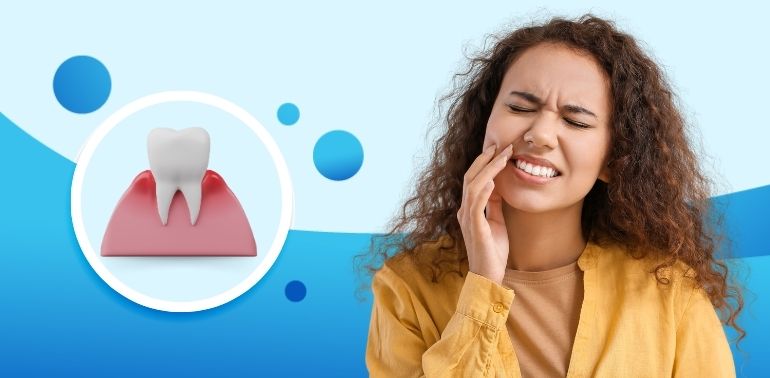
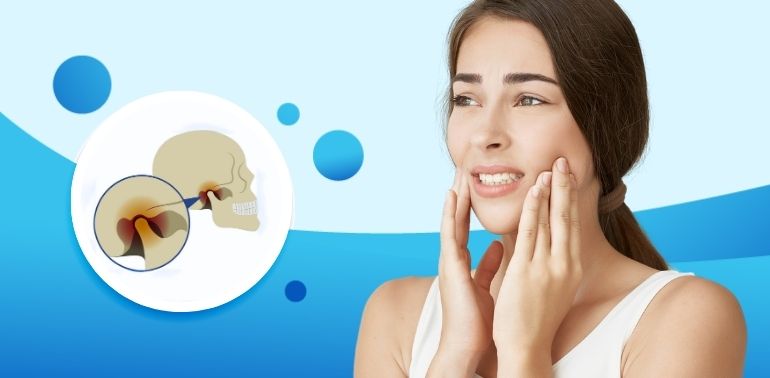
Facial pain is any discomfort or aching felt in areas like the cheeks, jaw, eyes, or mouth. It may feel sharp, throbbing, or burning, and can spread across different parts of the face. What makes it complex is that it’s usually a symptom, not a single condition.
It can arise from dental issues, tense facial muscles, jaw joint problems, or irritation of facial nerves. Even habits like clenching your teeth or poor posture can contribute to this. Because the face has many connected muscles and nerves, pain in one area often affects another, making diagnosis essential.
Getting the right facial pain treatment in Ravet, Pune starts with identifying where the pain truly comes from, so relief isn’t just temporary but lasting, and we are here to help you through it.
Common Types of Facial Pain
Facial pain can occur for different reasons. Understanding the type helps determine the right treatment approach.
1. Dental, Periapical, and Fascial Space Infections
When a tooth infection (like a deep cavity or abscess) spreads beyond the root, it can enter the surrounding facial spaces, such as the cheek, jaw, or floor of the mouth. These infections cause swelling, pain, and difficulty opening the mouth, and need prompt drainage or dental treatment to prevent spreading further.
1. Dental Pain
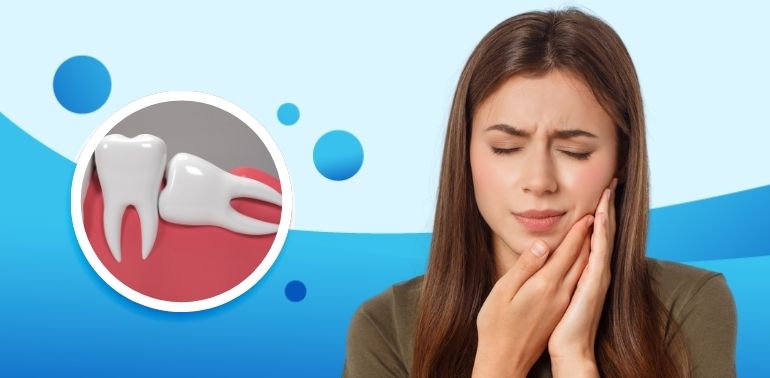
Dental problems like cavities, gum infections, or abscessed teeth are common causes of facial pain. Because the nerves of the teeth and face are connected, a tooth issue can cause pain that spreads to the jaw, ear, or cheek. Addressing the dental source usually provides fast relief.
2. Atypical Facial Pain
Sometimes, pain doesn’t fit a clear pattern. Atypical facial pain feels like a dull, constant ache that can last for weeks or months. It often has no obvious dental or nerve cause, making it challenging to diagnose. In such cases, a thorough evaluation is needed to rule out other possibilities.
3. Myofascial Pain Dysfunction Syndrome (MPDS)
This condition occurs when the muscles of the face, jaw, or neck develop tight knots or “trigger points.” These tense muscles can refer pain to nearby areas, creating soreness or stiffness in the face. Stress, poor posture, or frequent jaw clenching often make this worse.
4. Trigeminal Neuralgia
Trigeminal neuralgia is one of the most intense types of facial pain. It results from irritation of the trigeminal nerve, the main nerve responsible for facial sensation. People describe it as sudden, electric-shock-like pain triggered by everyday actions like talking, brushing teeth, or touching the face. Prompt treatment is crucial in this condition to prevent worsening symptoms.
Causes of Facial Pain
Facial pain can stem from several issues, such as:
- Dental problems: tooth decay, abscesses, or gum infections.
- Muscle strain: overuse of facial or neck muscles, poor posture, or jaw tension.
- Nerve irritation: compression or inflammation of facial nerves, as in trigeminal neuralgia.
- Jaw joint issues: temporomandibular joint (TMJ) problems that affect the jaw and ear area.
- Sinus infections or congestion: which cause pressure and aching around the cheeks or forehead.
- Emotional stress: long-term tension can tighten facial muscles, leading to pain or headaches.
Symptoms to Watch Out For
When considering facial pain treatment in Ravet, Pune, note the specific signs that may point to an underlying problem:
- Sharp, electric shock-like pain in parts of the face
- Dull or burning ache that lasts for hours or days
- Pain triggered by talking, chewing, or touching the face
- Tenderness in the jaw or cheek muscles
- Headache, earache, or discomfort while opening the mouth
- Pain that persists even after dental treatment
Recognizing these symptoms early allows your doctor to identify the cause and start treatment before it worsens.
Who Is at Risk?
- Middle-aged and older adults (especially for nerve-related pain)
- Chronic stress or anxiety leading to muscle tension
- Poor posture or long hours spent at a desk
- Teeth grinding or jaw clenching (bruxism)
- History of dental issues or facial injury
Treatment Options
If you’re looking for facial pain treatment in Ravet, Pune, the first step is an accurate diagnosis. Once the cause is known, treatment can be planned accordingly:
1. Dental Treatments
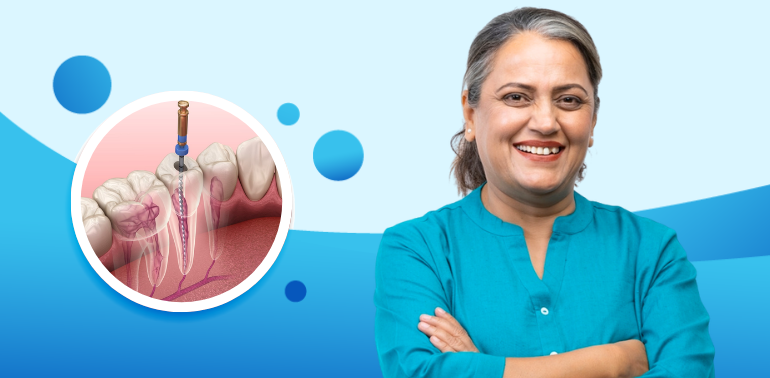
If a tooth or gum problem is causing the pain, procedures like fillings, root canals, or gum therapy may be done to remove infection and restore comfort.
2. Muscle and Joint Therapy
For myofascial or jaw-related pain, gentle muscle relaxation exercises, physiotherapy, massage, or posture correction can help ease tension and improve movement.
3. Nerve-Related Treatments
When facial nerves are involved, medications that calm nerve activity may be prescribed. In severe cases, nerve block injections or surgical procedures can offer relief from persistent pain.
4. Lifestyle Management
Simple changes like eating softer foods, reducing stress, improving posture, and avoiding excessive jaw use go a long way in preventing flare-ups.
5. Combined Approach
Since facial pain can have multiple causes, a combination of dental care, physiotherapy, and medication may be used for the best results.
Cost of Treatment
The cost of treatment varies depending on several factors, such as:
- The exact cause and severity of pain
- Whether dental, muscular, or nerve therapy is needed
- The number of follow-up sessions required
- The type of diagnostic tests (like scans or X-rays)
Dr. Rudagi will explain the expected treatment plan and associated costs after a detailed evaluation.
Why Choose Our Clinic for Facial Pain Treatment in Ravet, Pune
At our clinic, we focus on finding the real cause of your pain rather than just masking the symptoms. Our experienced team combines dental expertise, muscle therapy, and nerve management to offer complete care.
Here’s why patients trust us:
- Comprehensive diagnosis: We assess dental, muscle, and nerve factors before beginning treatment.
- Personalized care: Each treatment plan is designed to suit your unique symptoms.
- Collaborative approach: We work closely with physiotherapists and neurologists when required.
- Comfort-first philosophy: We ensure every procedure is gentle, safe, and clearly explained.
- Accessible care: Located conveniently in Ravet, we offer easy appointments and follow-ups.
Relief from Facial Pain Begins Here
Facial pain can disrupt your daily life in ways you might not expect, from eating your favorite meal to simply smiling. But the good news is, with the right diagnosis and care, most cases can be effectively managed or even cured.
If you’ve been struggling with ongoing discomfort, don’t wait for it to settle on its own. Reach out for expert facial pain treatment in Ravet, Pune, today. Schedule your consultation and take the first step toward a pain-free, confident, and comfortable life.
Frequently Asked Questions (FAQs)
Q1. What kind of doctor should I see for facial pain?
It depends on the cause. A dentist can help if the pain is tooth-related, while a physiotherapist or neurologist may be needed for muscle or nerve pain. In some cases, a multidisciplinary team provides the best results.
Q2. How do I know if my facial pain is nerve-related?
Nerve pain often feels like a sudden electric shock or stabbing sensation triggered by light touch, talking, or brushing teeth. If your pain feels this way, you should consult a specialist immediately.
Q3. Can stress cause facial pain?
Yes. Chronic stress often leads to jaw clenching and muscle tension, especially around the cheeks and temples. Over time, this can cause soreness and stiffness in the face and neck.
Q4. Is facial pain always caused by dental problems?
Not always. While many cases are dental-related, facial pain can also come from muscle strain, jaw joint issues, or nerve irritation. A thorough evaluation is needed to find the exact source.
Q5. How can I prevent facial pain from returning?
Maintain good dental hygiene, avoid excessive chewing, manage stress, and be mindful of jaw clenching or grinding. Regular dental checkups and relaxation exercises can also help prevent recurrence.