Cranio-Maxillofacial Trauma Treatment in Pune
Facial injuries can happen when we least expect them: a fall, an accident, or even a sports injury can cause damage that affects more than just appearance. The face is home to intricate structures, including bones, muscles, and nerves, that help us eat, speak, smile, and express ourselves. When any of these are injured, even simple actions can become painful or difficult.
Cranio-maxillofacial trauma treatment focuses on repairing these structures with precision, restoring both appearance and essential function. Using advanced surgical techniques, it addresses everything from minor soft tissue injuries to complex facial fractures, ensuring healing that’s as complete as possible.
At Dr. Rudagi’s Dental Centre of Xcellence, Dr. B. M. Rudagi specializes in cranio-maxillofacial trauma treatment in Pune, offering expert care for fractures, lacerations, and post-traumatic deformities. His approach combines surgical accuracy with compassion, helping patients recover comfortably and regain confidence after trauma.
What Is Cranio-Maxillofacial Trauma?
Cranio-maxillofacial trauma refers to injuries affecting the bones and soft tissues of the face, jaws, and skull. These injuries can occur due to accidents, sports impacts, falls, or assault. Depending on the severity, they may involve the skin, underlying muscles, or deeper bone structures.
Types of Cranio-Maxillofacial Trauma
Contusions, Lacerations, and Avulsive Injuries
Contusions, lacerations, and avulsive injuries: Soft tissue wounds that may require suturing or reconstructive repair.
Bite, Parotid Duct, and Gunshot Injuries
- Bite Injuries: Damage to facial skin and soft tissues caused by human or animal bites, requiring cleaning and precise repair to prevent infection and scarring.
- Parotid Duct Injuries: Injury to the salivary duct on the cheek that can cause swelling or leakage, treated with delicate microsurgical repair.
- Gunshot Injuries: Severe facial wounds involving soft tissue and bone, managed through staged surgery to restore structure and function.
Fractures (Dentoalveolar, Maxillary, Mandibular, Nasal, Zygoma, Orbital, Frontal Sinus, Naso-Orbito-Ethmoid Complex, Pan-Facial, Skull & Le Fort)
Fractures:
- Dentoalveolar fractures – involve the bone supporting the teeth.
- Maxillary and mandibular fractures – affect the upper and lower jaws.
- Nasal, zygomatic, and orbital fractures – impact the nose, cheekbone, or eye socket.
- Frontal sinus and skull fractures – affect the forehead and cranial area.
- Naso-Orbito-Ethmoid (NOE) complex fractures – occur between the eyes and nose.
- Pan-facial and Le Fort fractures – involve multiple facial bones simultaneously.
Scar Revision
- Scar revision aims to soften, reposition, or minimize scars that formed after injury or surgery.
- It improves both appearance and function, especially when scars restrict movement or draw unwanted attention.
Post-Traumatic Deformity
- These deformities result from improper healing, tissue loss, or bone displacement after injury.
- Surgical correction restores facial shape, symmetry, and function for long-term comfort and confidence.
Mal-Union
- A mal-union occurs when a fractured bone heals in the wrong position, causing imbalance, pain, or functional issues
- Surgery realigns the bone properly to restore natural facial contours and a proper bite.
Non-Union
- A non-union happens when broken bones fail to heal, leading to persistent movement, pain, and structural weakness.
- Reconstruction stabilizes the area using grafts or fixation to promote reliable and complete healing.
Each type of injury requires precise evaluation and treatment to restore both structure and movement effectively.
When Is Treatment Needed?
Early treatment of maxillofacial trauma is essential to prevent complications and ensure full recovery. You should seek immediate evaluation if you experience:
- Visible swelling, bleeding, or deformity after impact.
- Misaligned teeth or difficulty closing the mouth.
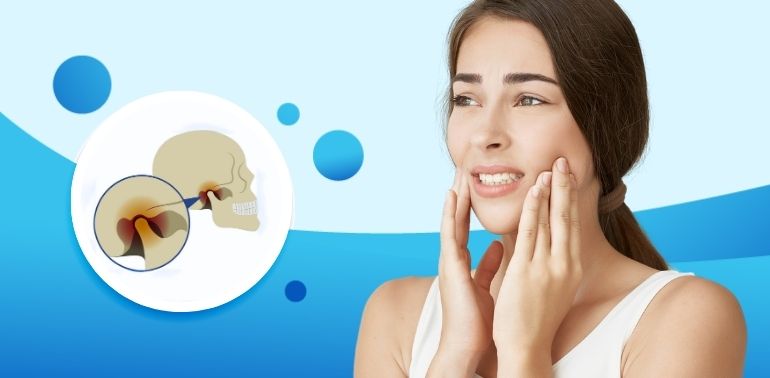
- Persistent jaw pain, limited movement, or clicking.
- Numbness around the lips, nose, or cheeks.
- Double vision or restricted eye movement.
- Difficulty chewing, swallowing, or breathing through the nose.
- Noticeable scarring or irregular facial contour following injury.
Prompt and accurate treatment helps prevent infection, ensures proper bone healing, and reduces the risk of long-term deformity.
Treatment Procedure
Each trauma case is different, and treatment is customized to match the type, severity, and location of injury. At Dr. Rudagi’s Dental Centre of Xcellence, advanced imaging and 3D surgical planning are used to ensure accurate diagnosis and optimal results.
1. Emergency Stabilization
In acute injuries, the first step is to manage bleeding, control pain, and stabilize the patient. Protecting the airway and preventing further tissue damage are top priorities.
2. Soft Tissue Repair
- Lacerations and contusions: Cleaned and closed using fine suturing for minimal scarring.
- Avulsive or bite injuries: Repaired or reconstructed using delicate microsurgical techniques.
- Parotid duct or nerve involvement: Addressed with precision to restore natural movement and function.
3. Fracture Management
Fractured facial bones are realigned and fixed in position using titanium plates and screws (open reduction and internal fixation). This stabilizes the bones, allowing them to heal correctly while maintaining normal facial shape and function.
4. Reconstruction and Scar Revision
When injuries heal with deformities or scarring, corrective procedures such as bone grafting, contour correction, or scar revision are performed to improve appearance and mobility.
5. Correction of Mal-Union or Non-Union
If a previous fracture has healed incorrectly (mal-union) or failed to heal (non-union), revision surgery restores proper alignment and stability.
Each stage of treatment focuses on restoring function first, and appearance naturally follows as balance and strength return to the face.
Benefits of Cranio-Maxillofacial Trauma Treatment
- Restores structure and facial balance: Rebuilds normal bone alignment and contour.
- Improves essential functions: Helps regain comfortable chewing, breathing, and speaking.
- Prevents long-term deformities: Early treatment ensures proper healing and stability.
- Reduces pain and discomfort: Corrects pressure or strain from misaligned bones.
- Enhances appearance and confidence: Repairs visible scars and restores facial harmony.
Proper treatment helps patients recover not only their facial form but also the confidence to return to everyday life without discomfort or self-consciousness.
Recovery and Aftercare
Recovery after cranio-maxillofacial trauma surgery depends on injury type and surgical complexity, but most patients heal steadily with proper guidance.
- Swelling and discomfort: Normal for a few days, managed with prescribed medication.
- Diet: A soft or liquid diet helps reduce strain on healing structures.
- Oral hygiene: Use gentle rinses and follow cleaning instructions to prevent infection.
- Follow-ups: Regular reviews ensure proper healing and bone stability.
- Activity: Avoid contact sports or heavy exercise until cleared by your surgeon.
Full healing can take a few weeks to a few months, depending on the extent of trauma. Following post-operative care instructions is vital for long-term results.
Cost of Treatment
The cost of cranio-maxillofacial trauma treatment in Pune depends on:
- The type and number of fractures or injuries.
- Whether soft tissue, bone, or both are involved.
- The use of implants, fixation plates, or grafts.
- Anaesthesia, imaging, and hospitalization needs.
- Post-surgical care and rehabilitation.
During your consultation, Dr. Rudagi provides a detailed explanation of your diagnosis, treatment plan, and estimated costs, ensuring full transparency and confidence in your care.
Why Choose Dr. Rudagi’s Dental Centre of Xcellence
At Dr. Rudagi’s Dental Centre of Xcellence, treatment combines medical expertise with compassionate care.
Why patients choose Dr. Rudagi:
- Experienced in craniofacial trauma, fracture repair, and reconstructive surgery.
- Skilled in managing both emergency trauma care and complex post-injury corrections.
- Use of modern fixation systems and 3D imaging for precise outcomes.
- Gentle soft tissue handling for minimal scarring and faster healing.
- Supportive team and clear communication at every stage of recovery.
Dr. B. M. Rudagi’s approach ensures that every patient receives the right balance of functional recovery and aesthetic restoration, helping them heal completely and confidently.
FAQs
Q1. What kind of doctor does maxillofacial surgery?
Maxillofacial surgery is performed by an oral and maxillofacial surgeon, a specialist trained to treat facial bones, soft tissues, and jaw structures. These surgeons handle everything from simple fractures to complex facial reconstructions with precision and care.
Q2. How painful is maxillofacial surgery?
With modern anaesthesia and advanced surgical methods, pain is minimal. Some soreness or swelling is normal after surgery, but it’s well-managed with medication. Most patients recover comfortably and return to normal activity within weeks.
Q3. What is the recovery time for maxillofacial surgery?
Recovery varies based on the type of injury. Minor lacerations or fractures may heal in a few weeks, while more complex repairs can take several months. Regular follow-ups and careful aftercare speed up healing and help prevent complications.
Q4. Can I eat after maxillofacial surgery?
Yes, though you’ll start with soft or liquid foods to protect healing areas. As your strength returns, you’ll gradually move back to your regular diet. Dr. Rudagi provides specific dietary instructions for safe recovery.
Q5. How do I prepare for oral and maxillofacial surgery?
Before surgery, you may need to fast for a few hours and inform your doctor about current medications or health conditions. Arranging for someone to accompany you post-surgery and following all preoperative instructions ensures a smooth experience.
Heal Strong, Recover Fully
Facial trauma can be challenging, but with expert care, recovery is possible, both inside and out. At Dr. Rudagi’s Dental Centre of Xcellence in Pune, Dr. B. M. Rudagi provides trusted cranio-maxillofacial trauma treatment in Pune, offering personalized care that restores structure, comfort, and confidence.
From immediate repair to long-term reconstruction, every procedure is performed with precision and compassion. Book your consultation today and take the first step toward complete recovery and renewed self-assurance.