TMJ disorder treatment in Pune
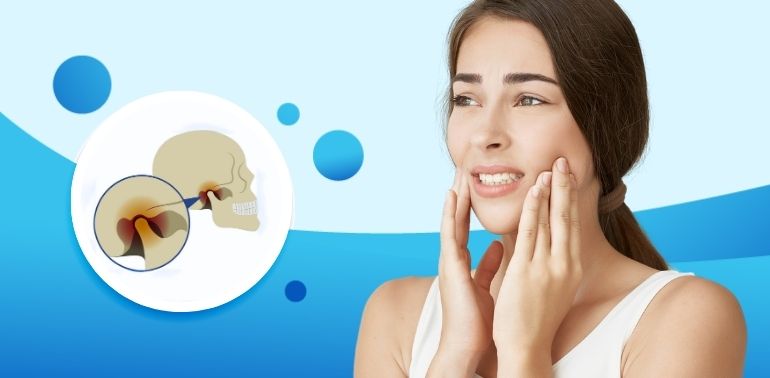
Every time you chew, speak, or yawn, a small but complex joint in front of your ear makes it possible: the temporomandibular joint (TMJ). It connects your lower jaw to your skull and plays a vital role in nearly every jaw movement. When this joint stops functioning smoothly, even simple actions can become painful or restricted.
Discomfort, jaw clicking, headaches, or stiffness may all point to TMJ disorders, a group of conditions affecting the jaw joint and surrounding muscles.
At Dr. Rudagi’s Dental Centre of Xcellence in Pune, Dr. B. M. Rudagi provides advanced TMJ disorder treatment in Pune, focusing on restoring pain-free movement, joint stability, and comfort. From conservative management to minimally invasive procedures like arthroscopy and arthrocentesis, treatment is designed to relieve discomfort and help your jaw work naturally again.
What Are TMJ Disorders?
The temporomandibular joint (TMJ) acts like a hinge connecting your jaw to the skull. When it’s strained, misaligned, or inflamed, it can cause TMJ dysfunction, resulting in pain, clicking, or limited movement.
Common TMJ Disorders and Treatments
TMJ Dysfunction, Dislocation, and Joint Replacement
- TMJ dysfunction occurs when the joint becomes strained, inflamed, or misaligned, leading to pain, clicking, or difficulty opening the mouth.
- In severe cases, the joint may partially or fully dislocate, and long-term damage may require surgical replacement to restore comfortable jaw movement.
Internal Derangement
- Internal derangement happens when the disc inside the TMJ shifts out of its normal position.
- This can cause jaw locking, clicking sounds, and difficulty opening or closing the mouth smoothly.
Degenerative Joint Disease (TMJ Arthritis)
- This condition involves the breakdown of the cartilage and joint surfaces, similar to arthritis in other joints.
- Over time, it can cause chronic pain, stiffness, and reduced jaw function if left untreated.
Hypomobility and Hypermobility of the TMJ
- Hypomobility leads to restricted jaw opening due to joint stiffness or muscle tightness.
- Hypermobility causes excessive jaw movement or frequent dislocation because the joint is too loose or unstable.
Diskopexy (Disc Repositioning)
- Diskopexy is a surgical method used to reposition the displaced TMJ disc back into its normal location.
- It is performed when the disc cannot return to its natural place and is causing persistent pain or locking.
Arthroscopy
- TMJ arthroscopy uses a tiny camera and instruments inserted through small openings to view, clean, or repair the joint.
- It is minimally invasive, improves mobility, and is often used to treat internal derangement and early degenerative changes.
Arthrocentesis
- Arthrocentesis involves flushing the joint with sterile fluid to remove inflammation, debris, and adhesions.
- It is a simple yet effective procedure for relieving pain, improving jaw movement, and treating locked joints.
TMJ disorders can develop gradually from habits such as teeth grinding, stress-related clenching, or jaw injury, but with early diagnosis, they can often be managed effectively.
When Is Treatment Needed?
You may need TMJ disorder treatment if you experience:
- Jaw pain or tenderness near the ear.
- Clicking, popping, or grinding sounds when opening or closing the mouth. .
- Difficulty opening the mouth wide or jaw locking in place.
- Pain while chewing, speaking, or yawning.
- Headaches, neck pain, or ear discomfort linked to jaw movement.
- A bite that feels “off” or misaligned.
If left untreated, TMJ issues can worsen over time, leading to chronic pain, muscle strain, or long-term joint damage. Early assessment and intervention can prevent these complications.
Treatment Procedure
At Dr. Rudagi’s Dental Centre of Xcellence, each TMJ case is carefully evaluated to identify the cause before recommending treatment. The approach may include one or a combination of the following steps:
1. Diagnosis and Evaluation
- A clinical examination to assess jaw movement, pain points, and joint sounds.
- Diagnostic imaging, such as X-rays, CT scans, or MRI to understand disc position, joint structure, and bone health.
- Review of lifestyle habits like teeth grinding, posture, or stress that may aggravate symptoms.
2. Non-Surgical Management
For most mild to moderate TMJ disorders, conservative methods are effective:
- Lifestyle modifications: Avoiding hard foods, reducing stress, and practicing gentle jaw exercises.
- Splint or mouth guard therapy: Reduces strain on the joint by keeping the jaw in proper alignment.
- Medication: Anti-inflammatory drugs or muscle relaxants may be prescribed to ease pain and inflammation.
- Physiotherapy: Helps strengthen and relax the muscles around the joint.
3. Minimally Invasive Procedures
When conservative care doesn’t relieve symptoms, minimally invasive treatments may be recommended:
- Arthrocentesis: A flushing procedure that cleans the joint by removing debris or inflammatory fluid, improving smooth movement.
- Arthroscopy: A small camera is inserted into the joint through a minor incision to visualize and repair internal structures. This helps reposition discs or remove scar tissue without open surgery.
4. Surgical Treatment (When Necessary)
In rare, severe cases, such as advanced degenerative joint disease or recurrent dislocation, joint replacement or reconstructive surgery may be considered. This restores joint movement and stability, allowing normal function once again.
Each treatment plan is designed to relieve pain, improve motion, and prevent further damage to the joint.
Benefits of TMJ Disorder Treatment
- Reduces pain and stiffness: Eases discomfort in the jaw, ear, and surrounding muscles.
- Improves mobility: Restores full range of motion for normal eating, speaking, and yawning.
- Prevents further joint wear: Treats inflammation before permanent damage occurs.
- Enhances daily comfort: Reduces headaches, ear pressure, and neck strain caused by TMJ dysfunction.
- Promotes better overall health: Addressing TMJ issues often improves sleep, posture, and stress-related tension.
Effective TMJ disorder treatment in Pune helps restore natural, comfortable movement, so you can live without pain or restriction.
Recovery and Aftercare
Recovery after TMJ treatment depends on the chosen approach:
- Conservative treatment: Usually improves symptoms within weeks with consistent exercises and care.
- Arthrocentesis or arthroscopy: Mild swelling or stiffness may last a few days but subsides quickly.
- Surgical repair or replacement: May require a few weeks for healing, with guided physiotherapy.
General aftercare tips:
- Follow prescribed exercises to maintain joint flexibility.
- Eat soft foods during recovery and avoid wide mouth movements.
- Apply warm or cold compresses as advised.
- Attend regular follow-ups to track progress.
With proper care, most patients experience long-lasting relief and improved joint function.
Cost of Treatment
The cost of TMJ disorder treatment in Pune depends on:
- The severity and cause of the disorder. .
- The type of treatment (conservative, minimally invasive, or surgical).
- The need for imaging, splints, or physiotherapy.
- Materials, anaesthesia, and duration of the procedure.
- Post-treatment care and rehabilitation requirements.
Dr. Rudagi ensures transparent discussion about treatment options and costs so you can make an informed decision confidently.
Why Choose Dr. Rudagi’s Dental Centre of Xcellence
Choosing the right specialist makes a major difference in managing TMJ problems effectively.
Why patients choose Dr. Rudagi:
- Expertise in TMJ dysfunction, arthroscopy, arthrocentesis, and joint replacement.
- Focus on restoring natural jaw movement and comfort, not just relieving symptoms.
- Use of modern diagnostic tools and minimally invasive techniques for faster recovery.
- Personalized care and clear communication throughout the process.
- A comfortable, hygienic, and patient-friendly environment.
At Dr. Rudagi’s Dental Centre of Xcellence, treatment goes beyond pain relief; it’s about restoring function, confidence, and peace of mind.
FAQs
Q1. What are the common causes of TMJ disorders?
TMJ disorders can result from teeth grinding, jaw injury, arthritis, stress-related clenching, or bite misalignment. Sometimes, multiple factors contribute to strain on the jaw joint and surrounding muscles.
Q2. How do I know if I have a TMJ disorder?
If you experience jaw pain, clicking, locking, or limited movement, especially with headaches or ear discomfort, it’s advisable to see a specialist for evaluation. Imaging tests can confirm whether the joint or disc is affected.
Q3. Is TMJ disorder permanent?
Not necessarily. Many TMJ disorders improve with conservative care, physiotherapy, or minor procedures like arthrocentesis. Early treatment helps prevent chronic pain or degeneration.
Q4. What is the recovery time for TMJ surgery?
Recovery depends on the procedure. Minimally invasive treatments often heal within days, while joint reconstruction may take several weeks. Following aftercare instructions ensures faster healing.
Q5. Can TMJ disorders go away without treatment?
Mild cases may improve with rest and stress management, but persistent symptoms should be evaluated. Without treatment, inflammation or misalignment can worsen over time.
Find Relief, Regain Comfort
Jaw pain shouldn’t hold you back from enjoying daily life. With expert TMJ disorder treatment in Pune, Dr. B. M. Rudagi and his team at Dr. Rudagi’s Dental Centre of Xcellence help patients restore smooth, pain-free jaw movement through precise diagnosis and personalized care.
Whether your condition needs conservative management or minimally invasive procedures like arthroscopy or arthrocentesis, our goal is simple: lasting comfort and confident smiles.
Book your consultation today and take the first step toward a pain-free, natural jaw movement.

Treatments
Know More About Our Services