
Digital Smile Design in Ravet – How Can You Preview Your New Smile Before Treatment?
Digital Smile Design in Ravet – How Can You Preview Your New Smile Before Treatment?
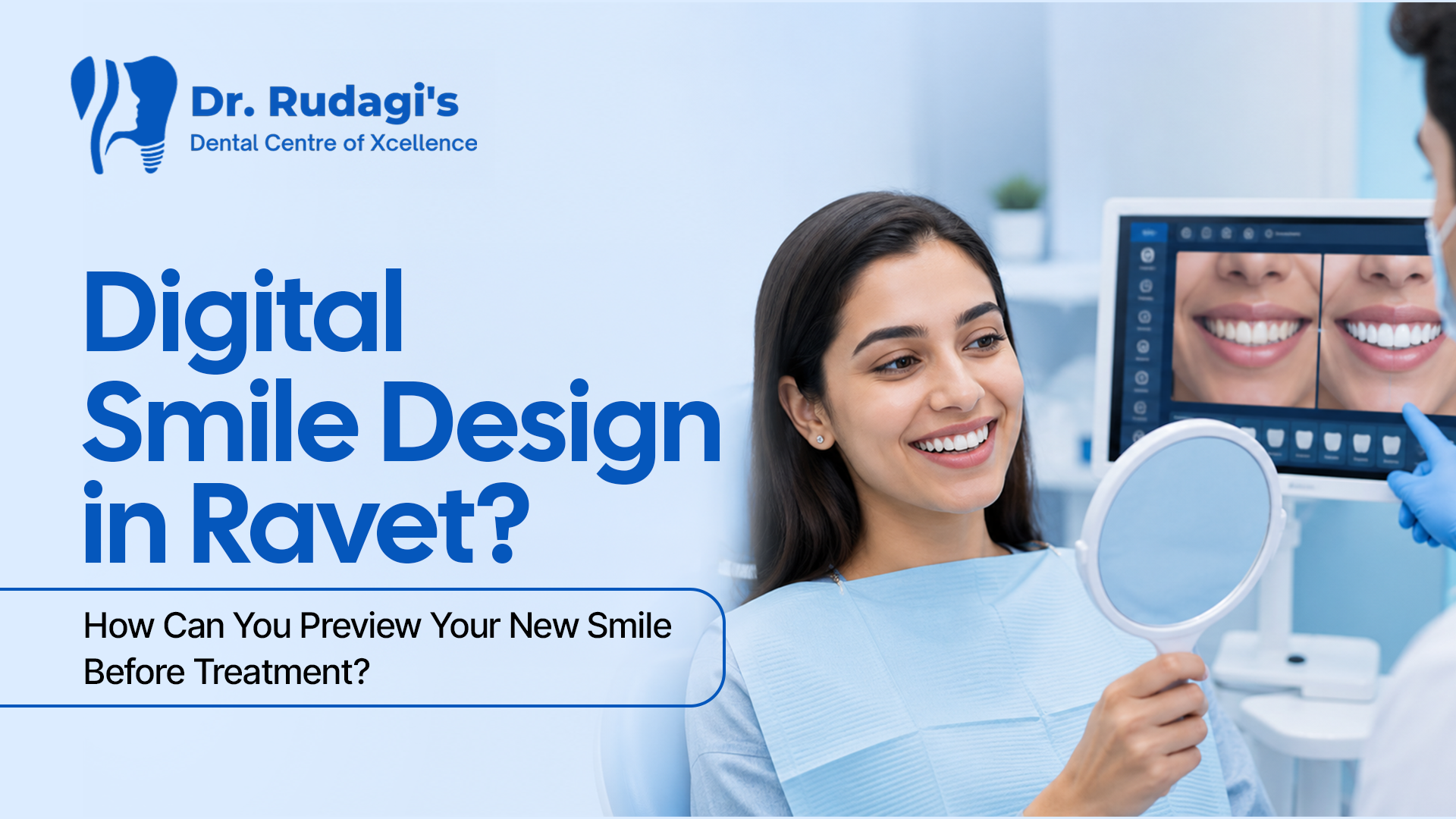
A smile can influence how we look, speak, and feel about ourselves. If you are unhappy with crooked teeth, uneven tooth shapes, gaps, discolouration, worn teeth, or excessive gum display, cosmetic dentistry can offer several ways to improve your smile.
This is where Digital Smile Design in Ravet can make the treatment planning process more visual and personalised. Digital Smile Design, often called DSD, uses digital photographs, scans, measurements, and smile analysis to create a proposed smile design before treatment begins.
Instead of relying only on verbal explanations, we can use digital technology to show how certain changes may improve the overall appearance of your smile. This can help patients understand their treatment options and participate more actively in the planning process.
A digital smile preview is not a guarantee of the final result. It is a planning and communication tool that works alongside professional dental examination and clinical judgement.
Digital Smile Design Explained in Simple Terms
Digital Smile Design in Ravet is a technology-assisted approach to planning cosmetic and restorative dental treatment.
The process looks beyond individual teeth. We consider the relationship between your teeth, gums, lips, facial proportions, smile line, tooth alignment, and bite.
During the planning process, digital photographs and dental records can be used to analyse important features of your smile. Based on this information, the dentist can develop a personalized treatment concept.
Depending on your dental condition and goals, Digital Smile Design may support planning for:
-
Dental veneers
-
Dental crowns
-
Teeth whitening
-
Dental bonding
-
Clear aligners
-
Braces
-
Dental implants
-
Gummy smile correction
-
Crooked teeth treatment
-
Smile correction
-
Full mouth rehabilitation
The purpose is not simply to create a brighter smile. A good smile design should also consider comfort, function, tooth health, gum health, facial appearance, and long-term dental needs.
From Your Current Smile to a Digital Smile Preview
One of the biggest advantages of Digital Smile Designing in Ravet is improved visual communication.
Many patients know that they want straighter, brighter, or better-shaped teeth but find it difficult to describe their ideal smile. Digital technology can make these discussions easier.
The dentist may create a digital smile preview using photographs, scans, measurements, and other diagnostic information.
The proposed design can help demonstrate possible changes in areas such as:
-
Tooth length
-
Tooth width
-
Tooth shape
-
Tooth colour
-
Tooth alignment
-
Smile symmetry
-
Gum display
-
Overall smile proportions
This gives us a visual starting point for discussing the proposed treatment.
For example, a patient with short-looking front teeth may be considering veneers or bonding. Instead of discussing tooth length only through words, a digital simulation may help demonstrate how different proportions could affect the smile.
This makes the treatment discussion more understandable and interactive.
What Happens During a Digital Smile Design Consultation
A typical Digital Smile Design treatment involves several stages. The exact process may vary depending on the clinic, technology available, and complexity of the patient's case.
1. Understanding Your Smile Goals
Some patients may be concerned about tooth colour, while others may be unhappy with gaps, crooked teeth, uneven tooth sizes, worn teeth, or excessive gum visibility.
Your expectations are important because smile design should be personalised rather than based on a standard template.
2. Clinical Dental Examination
Digital planning should always be supported by a proper dental examination.
The dentist evaluates the condition of your teeth, gums, bite, existing restorations, and overall oral health.
If cavities, gum problems, infections, or other dental concerns are present, they may need to be treated before cosmetic procedures are considered.
3. Digital Photography
Standardised dental and facial photographs may be taken from different angles.
These images help the dentist study your smile in relation to your lips and facial features.
4. Digital Scanning and Dental Records
Depending on your case, the dentist may use an intraoral scanner, dental impressions, X-rays, or other diagnostic records.
These records provide information that photographs alone cannot show.
5. Smile Analysis and Digital Planning
The collected information is used to analyse your smile and develop a proposed design.
The dentist may evaluate tooth proportions, symmetry, gum visibility, smile line, and the relationship between your teeth and facial features.
6. Digital Smile Preview
A virtual smile preview or smile simulation may then be created.
This can help you understand the proposed direction of treatment before making a final decision.
7. Treatment Discussion
The dentist explains the recommended options, benefits, limitations, expected maintenance, and possible alternatives.
The final treatment plan should be based on both your aesthetic goals and your dental health.
Digital Smile Design vs Traditional Smile Planning
|
Feature |
Traditional Smile Planning |
Digital Smile Design |
|
Visual planning |
Mainly based on photographs, models, and discussion |
Uses digital photographs, scans, and visual simulations |
|
Patient understanding |
Can depend heavily on verbal explanation |
Digital previews can make proposed changes easier to understand |
|
Smile analysis |
Clinical measurements and examination |
Digital analysis can support detailed planning |
|
Smile preview |
May be limited |
A virtual smile preview may be available |
|
Patient participation |
Primarily consultation-based |
Encourages more interactive treatment discussions |
|
Personalisation |
Depends on the planning method |
Digital tools can support personalised smile planning |
|
Treatment coordination |
Can require multiple records and stages |
Digital records can help coordinate complex treatment planning |
|
Final result |
Depends on clinical treatment and biological factors |
Still depends on clinical treatment and biological factors |
Digital technology does not replace a dentist. It adds another layer of visual information that can support diagnosis, communication, and treatment planning.
Which Dental Treatments Can Use Digital Smile Design
Digital smile design technology can be useful for different types of cosmetic and restorative procedures.
Dental Veneers
Veneers can change the appearance of visible teeth by modifying their shape, colour, and proportions. Digital planning can help visualise a proposed veneer design before treatment.
Dental Crowns
Crowns may be required for teeth that are damaged, weakened, or heavily restored. Digital planning can help coordinate the appearance of crowns with neighbouring teeth.
Teeth Whitening
For patients mainly concerned about tooth colour, whitening may be part of a smile makeover plan. Digital planning can help place colour changes within the overall smile strategy.
Clear Aligners and Braces
Patients with crooked or crowded teeth may require orthodontic treatment. Digital planning can help visualise potential tooth movement, although actual movement depends on individual biological response and clinical factors.
Dental Bonding
Bonding may be suitable for certain minor cosmetic corrections. Digital smile planning can help assess how small changes in tooth shape may influence the overall smile.
Dental Implants
When teeth are missing, implants and restorations may be incorporated into a broader smile design. Implant treatment requires appropriate clinical examination and imaging before treatment.
Full Mouth Rehabilitation
Patients with extensive tooth wear, missing teeth, damaged teeth, or multiple dental concerns may require comprehensive rehabilitation. Digital planning can help coordinate cosmetic and functional goals.
Why a Visual Smile Plan Can Make a Big Difference
Instead of relying entirely on verbal descriptions, patients can understand proposed changes through digital visualisation.
Personalised Smile Planning
Each person's facial features, tooth proportions, gum display, and dental condition are different. Digital planning can help create a smile concept that is tailored to the individual.
Better Communication
Patients can communicate their preferences more clearly when they can see the proposed direction of treatment.
Greater Treatment Understanding
Digital planning can help patients understand why a particular combination of treatments may be recommended.
Better Coordination
When multiple procedures are involved, digital records can help organise the overall treatment plan.
Improved Decision-Making
A clearer understanding of treatment options can help patients make informed decisions rather than choosing cosmetic procedures based only on photographs or trends.
How Closely Can Your Digital Preview Match the Final Smile
A virtual smile preview should always be viewed as an approximation.
The computer-generated design cannot perfectly predict how your final smile will look because the final result depends on several clinical and biological factors.
These may include:
-
Natural tooth structure
-
Gum position
-
Bone and dental health
-
Bite forces
-
Tooth movement
-
Healing
-
Dental materials
-
Shade selection
-
Laboratory procedures
-
Dentist's clinical technique
-
Individual biological response
A responsible dental professional should explain these limitations clearly.
The most attractive digital design is not necessarily the most suitable treatment. A successful smile makeover should balance appearance with oral health, function, comfort, durability, and long-term maintenance.
Who Can Consider Digital Smile Design
Digital Smile Design in Ravet may be useful for adults and suitable younger patients who are considering cosmetic or restorative dental treatment.
Patients may consider it when they are planning:
-
A smile makeover
-
Veneers
-
Crowns
-
Teeth whitening
-
Cosmetic bonding
-
Orthodontic treatment
-
Dental implants
-
Gummy smile correction
-
Comprehensive restorative treatment
For teenagers and younger patients, dental growth, tooth development, oral health, and long-term needs must be carefully evaluated before cosmetic treatment is considered.
Digital technology should support appropriate dental care rather than encourage unnecessary procedures.
Why Professional Planning Matters
Technology can create an impressive visual preview, but a healthy and functional smile requires much more than attractive digital images.
When considering Smile design treatment in Ravet, look for a dental professional who combines technology with proper clinical assessment.
A comprehensive approach should include oral health evaluation, bite assessment, gum examination, treatment alternatives, discussion of limitations, and appropriate follow-up care.
The dentist should also explain whether conservative treatment can achieve your goals before recommending more invasive procedures.
This is particularly important when considering irreversible treatments such as tooth preparation for certain types of veneers or crowns.
Frequently Asked Questions
1. What is Digital Smile Design in Ravet?
Digital Smile Design is a technology-supported approach to planning cosmetic and restorative dental treatment. It uses digital photographs, scans, measurements, and smile analysis to create a personalised treatment concept.
2. Can a digital smile preview show the exact final result?
A digital preview represents a proposed treatment outcome rather than an exact prediction. The final appearance can be influenced by oral health, tooth structure, gum position, materials, clinical technique, healing, and other individual factors.
3. Can Digital Smile Design be used for veneers?
Yes. Digital planning can be particularly useful when planning veneers because it can help evaluate tooth shape, proportions, colour, and the overall appearance of the smile before treatment.
4. Is Digital Smile Design useful for crooked teeth?
It can support planning for crooked teeth, but the appropriate treatment may involve clear aligners, braces, or another approach. A dental examination is required to determine the most suitable option.
5. Is Digital Smile Design suitable for teenagers?
It may be considered in selected cases, but younger patients require careful evaluation of dental development, growth, oral health, and long-term needs before cosmetic treatment is planned.
A Better Way to Plan the Smile You Want
A smile makeover is a personal investment, and understanding the proposed treatment before starting can make the process more comfortable and informed.
Digital Smile Design in Ravet provides a modern approach to smile makeover planning by combining digital photographs, scans, smile analysis, and visual simulation.
A smile preview before treatment can help patients understand possible changes to tooth shape, size, colour, alignment, and overall smile proportions.
At the same time, the digital preview should not be treated as an exact promise of the final result. Professional diagnosis, healthy teeth and gums, appropriate treatment selection, quality materials, clinical skill, and individual healing all influence the outcome.
If you are considering a smile makeover, veneers, crowns, aligners, whitening, bonding, implants, or another cosmetic dental procedure, a personalised digital smile consultation can help you understand your options and plan treatment with greater confidence.
Book for appointment today: 9371971396
Visit our website : https://drrudagi.com/
