
Dental Bridges in Ravet – What Happens When You Leave a Missing Tooth Untreated?
Dental Bridges in Ravet – What Happens When You Leave a Missing Tooth Untreated?
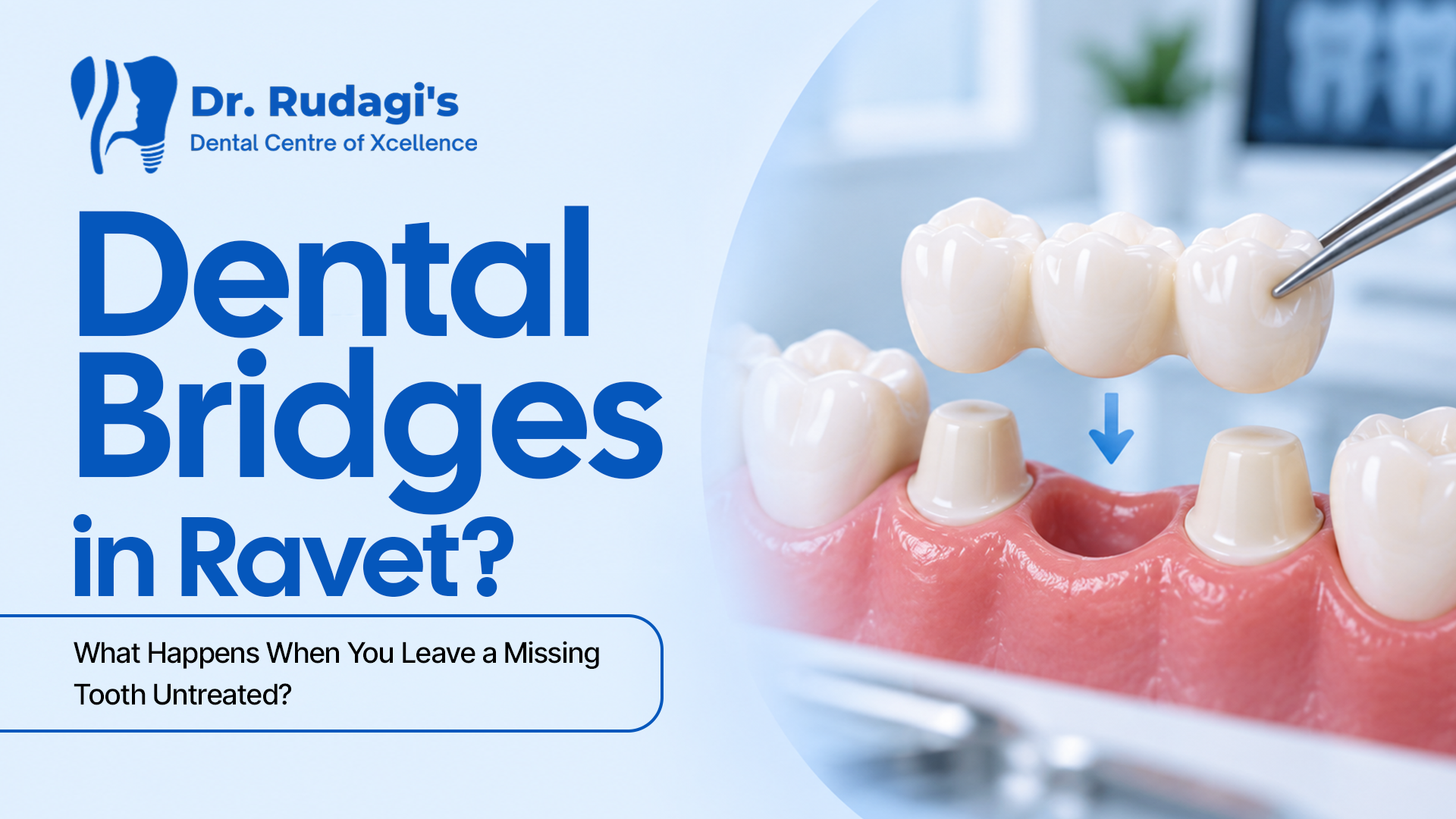
Losing a tooth can happen because of decay, gum disease, an injury, or other dental problems. Once the pain or swelling goes away, it may be tempting to leave the empty space alone, especially if the missing tooth is not visible when you smile. However, a missing tooth can affect more than appearance. Over time, it may influence chewing, tooth position, bite, and the health of the surrounding teeth and gums.
For patients considering Dental Bridges, understanding what can happen when a missing tooth is not replaced is an important first step. A dental bridge is one of several tooth replacement options, and whether it is suitable depends on your individual oral health.
What Happens When You Leave a Missing Tooth Untreated?
A missing tooth creates an empty space in the dental arch. The effects can vary depending on which tooth is missing, how long it has been missing, your bite, and the condition of the surrounding teeth.
Some possible changes include:
-
Nearby teeth may gradually move toward the empty space.
-
The opposing tooth may move further into the gap.
-
Chewing may become less comfortable or efficient.
-
Food may become trapped around the area.
-
Maintaining good oral hygiene may become more difficult.
-
Your bite may change over time.
-
Bone in the area of the missing tooth may gradually reduce.
-
A visible gap may affect your smile and confidence.
This does not mean every untreated missing tooth will cause all of these problems. However, leaving a gap without having it professionally assessed can allow changes to develop without you noticing them early.
Why Do Nearby Teeth Shift After Tooth Loss?
Our teeth naturally respond to changes around them. When a tooth is lost, the neighbouring teeth may gradually move toward the empty space.
For example, imagine losing a molar on one side and continuing to chew mostly on the other side. Over time, the teeth around the gap may change position. This can make cleaning more difficult and may affect how your upper and lower teeth meet.
This is one reason dentists often recommend assessing a missing tooth even when it is not causing pain.
Can a Missing Tooth Affect Your Jawbone?
Yes, bone changes can occur after tooth loss. A natural tooth root provides stimulation to the surrounding bone during normal function. When the root is no longer present, the bone in that area can gradually reduce.
The extent of bone change varies from person to person. This is particularly important when considering future tooth replacement because the condition of the bone and gums can influence which treatment options are suitable.
When Should You Consider Missing Tooth Treatment in Ravet?
There is no single treatment that is right for everyone. We usually consider several factors before recommending tooth replacement in Ravet, including:
-
Location of the missing tooth
-
Number of missing teeth
-
Condition of nearby teeth
-
Gum health
-
Bone support
-
Your bite
-
Oral hygiene
-
Age and stage of dental development
-
Overall dental health
-
Your treatment preferences and expectations
For younger patients, dental development also needs to be considered before choosing a permanent tooth replacement option.
A dental examination can help determine whether a bridge, implant, removable option, or another treatment may be appropriate.
What Is a Dental Bridge?
A dental bridge is a fixed tooth replacement used to fill a gap created by one or more missing teeth in suitable cases.
A traditional bridge generally uses the teeth beside the gap for support, with an artificial tooth placed between them. The exact design depends on the patient's dental condition and the type of bridge selected.
For people searching for Dental Bridges in Ravet, the main advantage is that a bridge can restore the appearance and function of a missing tooth without leaving an open gap.
However, a dental bridge is not automatically suitable for every missing tooth. The supporting teeth, gums, bite, and overall oral health must be evaluated first.
How Does the Dental Bridge Procedure Work?
The treatment process can vary, but it generally involves several stages.
1. Dental Examination
We first assess the missing area, neighbouring teeth, gums, and bite. X-rays or other imaging may be recommended when necessary.
2. Treatment Planning
We discuss your tooth replacement options and determine whether a fixed dental bridge is suitable for your situation.
3. Preparing the Supporting Teeth
With some bridge designs, the supporting teeth need to be prepared so the bridge can fit properly.
4. Impressions or Digital Scanning
Measurements are taken so the dental laboratory can create a bridge that fits your mouth and matches the surrounding teeth.
5. Bridge Placement
The completed bridge is checked for fit, appearance, and bite before it is secured.
6. Follow Up
We check your comfort and explain how to clean and maintain the bridge properly.
Dental Bridge vs Leaving a Missing Tooth Untreated
Understanding the difference can help patients make an informed decision about whether to seek an evaluation.
|
Feature |
Traditional Smile Planning |
Digital Smile Design |
|
Smile assessment |
Mainly clinical examination |
Clinical + digital analysis |
|
Visual preview |
May be limited |
Digital smile preview may be available |
|
Patient communication |
Relies heavily on verbal explanation |
Visual communication can make concepts easier to understand |
|
Treatment planning |
Conventional records and measurements |
Digital photographs, scans and measurements may be integrated |
|
Personalisation |
Based on clinical assessment |
Can incorporate facial and smile characteristics |
|
Treatment decision |
Patient relies more on discussion |
Patient can better visualise the proposed direction |
|
Final result |
Depends on clinical treatment |
Still depends on clinical factors and treatment execution |
A bridge does not recreate every function of a natural tooth root. This is why we should assess your situation carefully rather than treating every missing tooth in exactly the same way.
What Are the Benefits of Dental Bridges?
When a bridge is suitable, it may provide several benefits:
-
Fills the space created by a missing tooth
-
Helps restore chewing function
-
Can improve the appearance of your smile
-
Provides a fixed tooth replacement option
-
Can help maintain the existing dental arch
-
May restore confidence when smiling or speaking
-
Can be designed to blend with surrounding teeth
The result depends on factors such as the condition of the supporting teeth, bridge material, bite, oral hygiene, and individual healing and maintenance.
Are There Any Limitations of Dental Bridges?
Like any dental treatment, bridges have limitations.
Depending on the bridge design, supporting teeth may need preparation. The bridge also needs regular cleaning because plaque and food can collect around the restoration.
A bridge may not be suitable if the supporting teeth are too weak or if there is uncontrolled gum disease. In some cases, a dental implant or another tooth replacement option may be considered instead.
This is why choosing a treatment based only on cost or convenience may not give you the right long-term solution.
Dental Bridge vs Dental Implant
Patients often compare a bridge with an implant when looking for a single missing tooth treatment
A dental bridge generally relies on neighbouring teeth for support, while a dental implant is placed into the jawbone and can support a crown without using neighbouring teeth as bridge supports.
The right choice depends on factors such as bone condition, gum health, neighbouring teeth, overall dental health, treatment time, cost, and personal preference.
Neither option should be considered universally suitable for every patient.
How Much Does a Dental Bridge Cost in Ravet?
The dental bridge cost in Ravet can vary considerably because each case is different.
Factors that may influence the cost include:
-
Number of missing teeth
-
Type of dental bridge
-
Material selected
-
Condition of supporting teeth
-
Gum health
-
Need for additional dental treatment
-
Laboratory requirements
-
Complexity of the case
For an accurate estimate, a dentist needs to examine your mouth and understand the type of restoration required. A very low quoted price may not necessarily represent the complete treatment cost, so it is useful to ask what is included.
How Should You Care for a Dental Bridge?
Good maintenance is essential after Dental Bridges in Ravet.
We recommend:
-
Brush twice a day with a fluoride toothpaste.
-
Clean carefully around the bridge.
-
Use floss or an appropriate interdental cleaning aid as advised.
-
Attend regular dental checkups.
-
Avoid using your teeth to open packets or bottles.
-
Follow your dentist's instructions about eating and cleaning.
-
Report looseness, pain, swelling, or persistent sensitivity.
A dental bridge should not be treated as something that requires no maintenance. The health of the surrounding teeth and gums remains important.
When Should You See a Dentist About a Missing Tooth?
Consider arranging a dental examination if you have:
-
A missing tooth that has not been replaced
-
Difficulty chewing
-
Teeth shifting around a gap
-
Food repeatedly getting stuck
-
Gum swelling or bleeding
-
Changes in your bite
-
Pain around the missing-tooth area
-
Concerns about your smile
Even if you have had a missing tooth for several years, it is still worth discussing your current options with a dentist.
Common Questions About Dental Bridges in Ravet
1. Can one missing tooth be replaced with a dental bridge?
Yes, a single missing tooth can sometimes be replaced with a bridge. However, the neighbouring teeth and gums need to be healthy enough to provide suitable support.
2. What happens if I leave a missing tooth untreated?
A missing tooth may contribute to changes such as movement of nearby teeth, altered chewing, bite changes, and gradual bone loss in the area. The effects differ from person to person.
3. Is a dental bridge better than a dental implant?
Both are established tooth replacement approaches, but they work differently. A bridge uses supporting teeth in many cases, while an implant is placed into the jawbone. Your dentist can compare the options based on your oral health and treatment needs.
4. How long does dental bridge treatment take?
Treatment time varies according to the type of bridge, the condition of your teeth and gums, and whether additional procedures are required. Your dentist can provide a more specific timeline after examination.
5. How do I clean under a dental bridge?
Regular brushing alone may not clean every area around a bridge. Floss, interdental brushes, or other cleaning aids may be recommended depending on the bridge design. Your dentist can show you the correct technique.
Take the Next Step for Your Missing Tooth
A missing tooth may seem like a small problem when there is no pain, but the gap can affect surrounding teeth, chewing, bite, and oral health over time. At the same time, not every missing tooth requires the same replacement method.
If you are considering Dental Bridges in Ravet, the best starting point is a professional dental examination. We can assess the missing area, check the supporting teeth and gums, and discuss whether a dental bridge or another tooth replacement option is appropriate for you.
Book for appointment today: 9371971396
Visit our website : https://drrudagi.com/
