
Fluoride Treatment and Dental Sealants in Ravet Protecting Children’s Teeth From Cavities
Fluoride Treatment and Dental Sealants in Ravet Protecting Children’s Teeth From Cavities
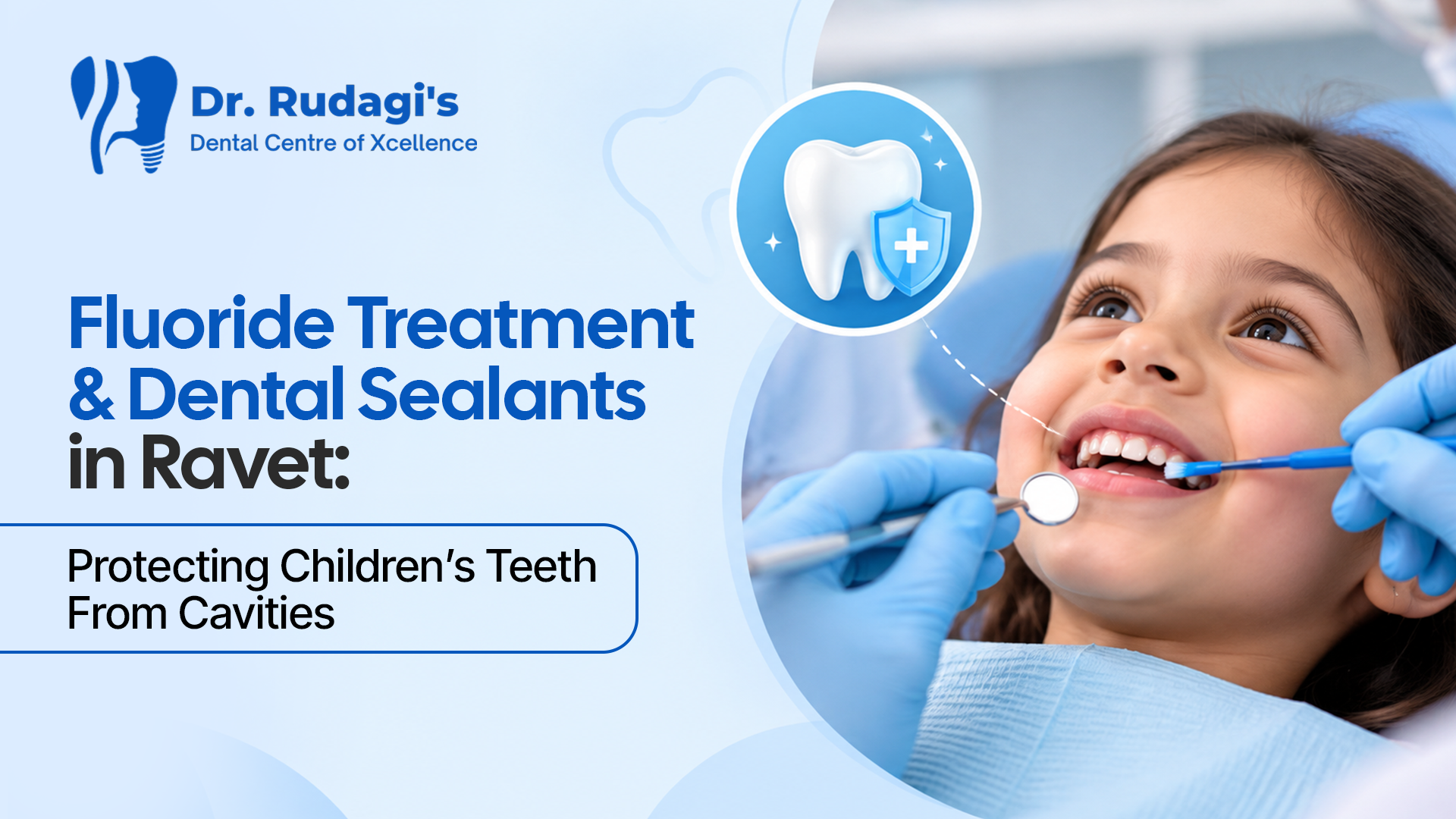
Children love chocolates, sweets, biscuits, and other tasty snacks. However, frequent sugar consumption and poor oral hygiene can increase their risk of developing cavities. Tooth decay can affect both milk teeth and permanent teeth, making it important for parents to focus on preventive dental care from an early age.
The good news is that cavities can often be prevented with proper brushing, healthy eating habits, regular dental checkups, and professional preventive treatments. Fluoride Treatment and Dental Sealant are two options that can help protect children's teeth from decay when recommended by a dentist.
Although both treatments help prevent cavities, they work differently. Fluoride strengthens tooth enamel, while dental sealants protect the grooves of back teeth where food particles and bacteria can collect. Understanding these treatments can help parents make informed decisions about their children's oral health.
Why Is Cavity Prevention Important for Children?
Children's teeth need proper care as they develop. Milk teeth help children chew food, speak clearly, and maintain space for permanent teeth. When tooth decay is left untreated, it can cause pain, infection, difficulty eating, and problems with daily activities.
Several everyday habits can increase the risk of cavities in children, including:
-
Eating chocolates, sweets, biscuits, and sugary snacks frequently.
-
Drinking packaged juices, soft drinks, and other sweetened beverages.
-
Brushing incorrectly or not brushing twice a day.
-
Allowing plaque to build up around teeth and gums.
-
Skipping regular dental checkups.
-
Having deep grooves in the back teeth that are difficult to clean.
Parents should also understand that cavities do not always cause pain in the early stages. White spots, brown marks, or sensitivity may indicate a dental problem that needs professional assessment.
Regular dental visits help us identify potential concerns early and discuss suitable preventive measures before tooth decay progresses.
What Is Fluoride Treatment for Children?
Fluoride treatment is a preventive dental procedure that helps strengthen tooth enamel, the hard outer layer that protects teeth. Fluoride supports remineralisation, a natural process in which minerals are restored to weakened enamel.
When children eat or drink, bacteria in the mouth can produce acids that weaken tooth enamel. Fluoride helps teeth resist these acid attacks and can reduce the risk of cavities.
How Does Professional Fluoride Application Work?
During professional fluoride application, the dentist first examines the child's teeth and assesses their cavity risk. Depending on the child's needs, the dentist may recommend fluoride varnish or another suitable professional fluoride product.
The process generally involves:
-
Examining the teeth and checking for early signs of decay.
-
Preparing the teeth as required for the selected product.
-
Applying the recommended fluoride product to the appropriate surfaces.
-
Providing aftercare instructions based on the product used.
Professional fluoride application is usually quick and comfortable for children. It does not normally require drilling or injections.
The dentist may recommend fluoride treatment for children who have a history of cavities, an increased risk of tooth decay, or other specific preventive needs. The frequency depends on the child's dental health, age, fluoride exposure, and professional assessment.
What Are Dental Sealants and How Do They Prevent Cavities?
Dental sealants are thin protective coatings applied to the chewing surfaces of teeth, particularly the back molars. These teeth often have narrow pits and grooves where food particles and plaque can collect.
Even when children brush regularly, cleaning these deep grooves can be difficult. Dental sealants cover these vulnerable areas, making them easier to keep clean and helping reduce the risk of cavities.
How Are Dental Sealants Applied?
Dental sealant application is generally simple and comfortable. The dentist examines the tooth to confirm that it is suitable for sealing.
The usual procedure includes:
-
Cleaning the tooth surface.
-
Preparing the enamel according to the sealant material.
-
Applying the sealant into the pits and grooves.
-
Hardening the material when required.
-
Checking the sealant to ensure it covers the intended area properly.
Sealants are commonly considered for permanent molars when they erupt, often around ages six and twelve. Some children may benefit from sealants on other suitable teeth, depending on their dental condition and cavity risk.
When a tooth already has a cavity, the dentist must assess it before deciding whether a sealant is appropriate or whether restorative treatment is needed.
Fluoride Treatment vs Dental Sealants Which Is Better?
Both treatments help prevent cavities, but they protect teeth in different ways. Understanding the differences helps parents discuss the most appropriate options with their child's dentist.
|
Feature |
Fluoride Treatment |
Dental Sealants |
|
Main purpose |
Strengthens enamel and supports remineralisation |
Protects vulnerable pits and grooves |
|
How it works |
Helps teeth resist acid attacks |
Creates a protective barrier on selected tooth surfaces |
|
Application area |
Selected teeth or broader tooth surfaces, depending on the product |
Mainly the chewing surfaces of molars |
|
Common candidates |
Children who may benefit from additional fluoride protection |
Children with suitable teeth, especially molars with deep grooves |
|
Procedure |
Professional application of a fluoride product |
Application of a thin protective coating |
|
Comfort |
Generally quick and comfortable |
Generally quick and painless |
|
Maintenance |
Repeat applications may be recommended |
Regular checks help identify wear or loss |
|
Treats established cavities? |
No, not by itself |
No, not as a routine preventive procedure |
Which treatment should parents choose? There is no single answer for every child. Fluoride treatment helps strengthen enamel, while dental sealants provide targeted protection for vulnerable chewing surfaces. A dentist may recommend either treatment or both, depending on the child's needs.
Are Fluoride Treatment and Dental Sealants Safe for Children?
Parents naturally want to know whether preventive dental treatments are safe for their children. When appropriately selected and applied by a dental professional, fluoride treatments and dental sealants are widely used methods of cavity prevention.
For fluoride treatment, the dentist selects a suitable product and amount according to the child's age and dental needs. Parents should follow all aftercare instructions and prevent children from swallowing products intended for professional application.
At home, children should use an age-appropriate amount of fluoride toothpaste under adult supervision. Young children may need help brushing properly to avoid swallowing toothpaste.
Dental sealants are also generally well tolerated. Applying them to suitable teeth usually does not require drilling or injections. However, the dentist must check the tooth first to rule out decay that requires different treatment.
Parents should inform the dentist about relevant allergies, previous reactions, and any concerns before treatment. Regular follow-up visits help check whether sealants remain intact and whether additional preventive care is needed.
When Should Parents Consider Preventive Dental Treatment?
Children can benefit from dental care at different stages of their development. We should not wait until a child experiences tooth pain before seeking professional advice.
Consider discussing fluoride treatment and dental sealants with a dentist when:
-
Your child's first teeth have erupted and you need guidance on oral hygiene.
-
Permanent molars begin to appear, commonly around ages six and twelve.
-
Your child has experienced cavities in the past.
-
Your child frequently consumes sugary snacks or has difficulty maintaining oral hygiene.
-
The dentist identifies early enamel changes or an increased risk of tooth decay.
-
You want advice on protecting your child's developing permanent teeth.
A dental examination helps determine which preventive treatments are appropriate. Not every child needs both treatments, and recommendations should be based on individual dental health rather than age alone.
How Much Do Fluoride Treatment and Dental Sealants Cost in Ravet?
The cost of preventive dental treatment in Ravet can vary depending on the clinic, the products used, the number of teeth treated, and the child's dental needs.
Fluoride treatment and dental sealants may have different pricing structures. The overall cost can also depend on whether the child requires a routine preventive visit or additional treatment for existing cavities.
Before proceeding, parents can ask the clinic about:
-
The cost of professional fluoride application.
-
The price of sealants per tooth.
-
Whether the dental examination is charged separately.
-
Whether follow-up visits or sealant repairs involve additional fees.
-
Which treatment options are suitable for the child's current dental condition.
An examination and clear treatment estimate help parents understand the available options and plan their child's dental care.
How Can Parents Prevent Cavities at Home?
Professional preventive treatments work best when combined with good daily habits. Small changes at home can help protect children's teeth and support long-term oral health.
Brush twice daily: Help children brush in the morning and before bedtime using age-appropriate fluoride toothpaste. Supervise young children and ensure all tooth surfaces are cleaned.
Limit sugary snacks: Frequent snacking on sweets, chocolates, biscuits, and sugary foods exposes teeth to repeated acid attacks. Offer balanced meals and limit how often children consume sugary foods.
Choose water regularly: Water is a good everyday drink. Limit sweetened beverages and packaged juices, particularly between meals.
Build healthy eating habits: Include a balanced range of foods such as vegetables, fruits, pulses, dairy products, and other nutritious options suitable for your child.
Schedule regular dental checkups: Routine visits allow the dentist to assess tooth development, identify early signs of decay, and recommend preventive treatments when needed.
Follow professional advice: If your child has a higher risk of cavities, ask the dentist about suitable fluoride products, sealants, and an appropriate recall schedule.
These habits support preventive dental care and help children develop routines that can benefit them as they grow.
Why Choose a Dental Clinic in Ravet for Children's Preventive Care?
Choosing a convenient dental clinic in Ravet can help parents maintain regular checkups and address concerns before they become more serious.
When selecting a clinic, look for a dentist who explains treatment options clearly, examines your child's teeth carefully, and provides recommendations based on individual needs.
A suitable dental clinic should offer guidance on cavity prevention, Fluoride Treatment, dental sealants, brushing techniques, and healthy eating habits. A child-friendly approach can also help children feel more comfortable during dental visits.
Parents should ask questions about the proposed treatment, its benefits, possible limitations, and follow-up requirements. Clear communication helps families make informed decisions about their children's oral health.
Whether you are searching for a children's dentist in Ravet or exploring preventive dental treatment for kids, prioritise professional advice and consistent dental care over promises of guaranteed results.
Frequently Asked Questions
1. Is fluoride treatment necessary for every child?
No. Fluoride treatment depends on the child's age, cavity risk, dental health, fluoride exposure, and the dentist's recommendation. Some children may benefit from professional application more frequently than others.
2. At what age can children get dental sealants?
Dental sealants are commonly considered when permanent molars erupt, often around ages six and twelve. A dentist can assess whether the child's teeth are suitable for sealants and whether other teeth may benefit.
3. Do dental sealants hurt children?
Dental sealant application is generally painless and does not usually require drilling or injections when the tooth is suitable for preventive sealing. The dentist first checks the tooth and explains the procedure.
4. How long do dental sealants last?
Dental sealants can last for several years, but their lifespan varies. Regular dental checkups help identify worn, chipped, or missing sealants so they can be repaired or replaced when necessary.
5. Can fluoride treatment and dental sealants be done together?
Yes. A dentist may recommend both treatments when appropriate because they protect teeth in different ways. Fluoride helps strengthen enamel, while sealants protect the grooves of selected teeth. The final recommendation depends on the child's dental needs.
Protect Your Child's Smile With Preventive Dental Care in Ravet
Preventing cavities during childhood can help children maintain healthier teeth and develop good oral hygiene habits. Fluoride treatment and dental sealants offer different forms of protection, and both may play a role in an individual preventive care plan.
Along with twice-daily brushing, balanced eating habits, and regular dental checkups, these treatments can help reduce the risk of tooth decay when used appropriately.
If you are considering Fluoride Treatment and Dental Sealants in Ravet arrange a dental consultation to understand which options are suitable for your child. Early guidance can help you make informed decisions and protect your child's developing smile.
Book an appointment today: +91 8495898989
Visit our website: https://drrudagi.com/
