
Dental Implants in Ravet – Permanent Teeth Replacement, Safety & Success Rates Explained
Dental Implants in Ravet – Permanent Teeth Replacement, Safety & Success Rates Explained
Dental Implants in Ravet – Permanent Teeth Replacement, Safety & Success Rates Explained
Missing teeth can affect much more than your smile. They can make it difficult to chew your favourite foods, speak clearly, and smile with confidence. Whether you've lost a tooth due to decay, gum disease, injury, or another dental condition, replacing it promptly is important for maintaining good oral health. Fortunately, Dental Implants offer a modern, reliable, and long-lasting solution for replacing missing teeth while restoring both function and appearance.
Unlike removable dentures or traditional bridges, dental implants are designed to replace the entire tooth, including its root. This provides excellent stability, preserves the jawbone, and gives you a natural-looking smile that feels comfortable and functions like your own teeth.
What Are Dental Implants?
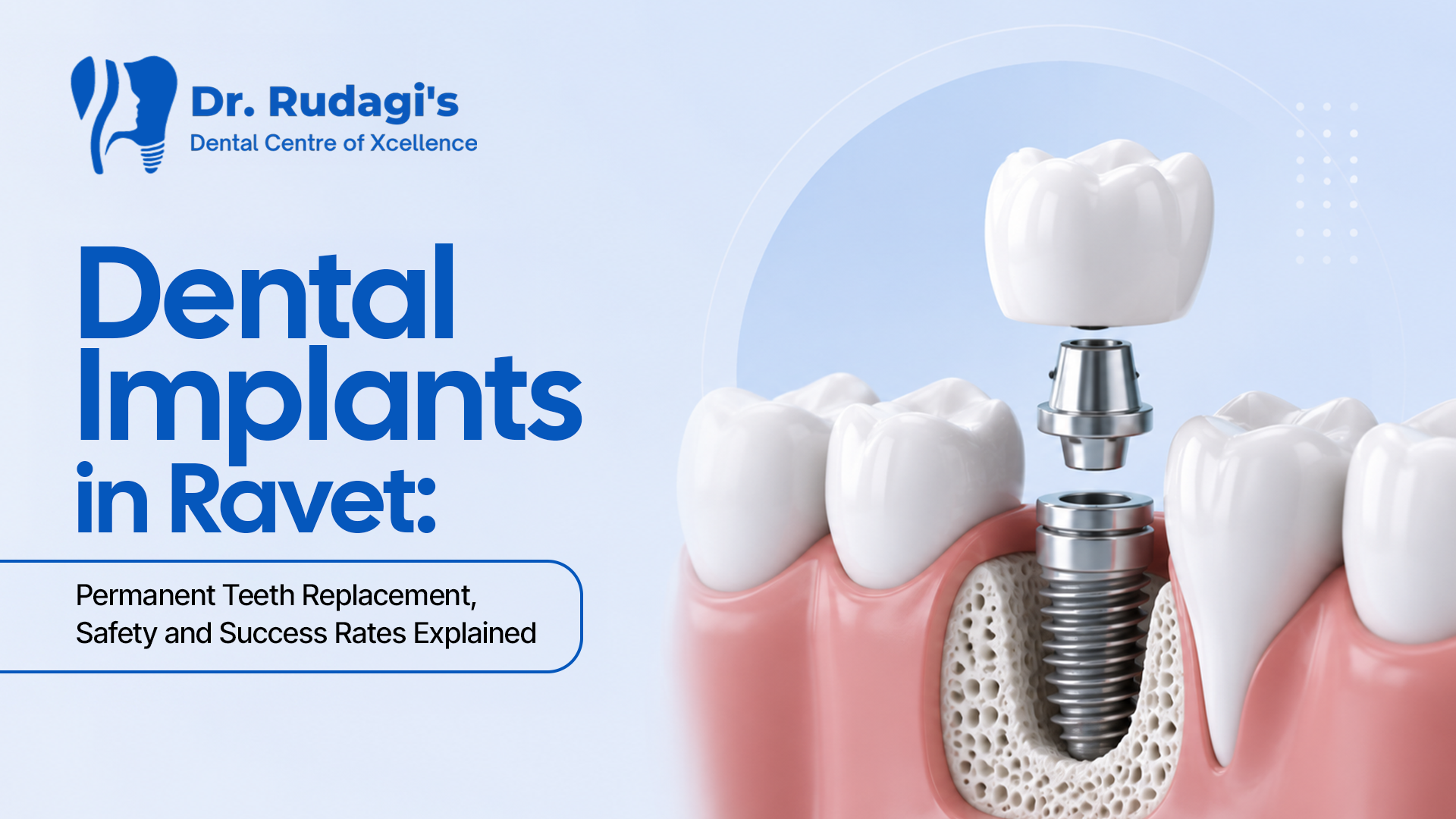
Dental Implants are artificial tooth roots made from biocompatible titanium that are surgically placed into the jawbone. Over time, the implant naturally fuses with the bone through a process called osseointegration, creating a strong and stable foundation for a replacement tooth.
A complete dental implant typically consists of three parts:
-
Implant Fixture: A titanium post placed inside the jawbone to replace the missing tooth root.
-
Abutment: A small connector that joins the implant to the replacement tooth.
-
Dental Crown: A custom-made crown that matches the colour, size, and shape of your natural teeth.
Once the treatment is complete, the implant looks, feels, and functions very much like a natural tooth. With proper oral hygiene and regular dental check-ups, dental implants can provide a durable and long-lasting solution for missing teeth.
Unlike traditional bridges, implants do not rely on neighbouring teeth for support. They preserve healthy tooth structure and help maintain the natural shape of your jawbone, making them one of the most effective options for Permanent Teeth Replacement.
Why Replace Missing Teeth?
Many people believe that losing a single tooth is only a cosmetic concern. However, leaving a missing tooth untreated can lead to several oral health problems over time.
Here are some reasons why replacing missing teeth is important:
Prevents Bone Loss
The jawbone needs stimulation from tooth roots to remain healthy. When a tooth is missing, the surrounding bone gradually shrinks due to lack of stimulation. Dental implants help preserve bone by functioning like natural tooth roots.
Maintains Proper Bite
Neighbouring teeth naturally shift into the empty space left by a missing tooth. This movement can affect your bite, making chewing uncomfortable and increasing the risk of further dental problems.
Improves Chewing Ability
Missing teeth make it difficult to chew certain foods properly. Replacing them with implants allows you to enjoy a wider variety of foods comfortably.
Supports Clear Speech
Teeth play an important role in pronunciation. Missing teeth can affect speech clarity, while stable dental implants help restore normal speech patterns.
Preserves Facial Appearance
Bone loss caused by missing teeth can lead to a sunken facial appearance over time. Dental implants help maintain facial structure by supporting the underlying jawbone.
Restores Confidence
Many people feel self-conscious about gaps in their smile. Dental implants provide a natural-looking solution that allows you to smile, laugh, and speak confidently.
Replacing missing teeth early helps protect your oral health and prevents more complex dental problems in the future.
Who Is an Ideal Candidate for Dental Implants?
Dental implants are suitable for many adults with one or more missing teeth. However, a detailed dental examination is necessary to determine whether implant treatment is the right option for you.
You may be an ideal candidate if you:
-
Have one or more missing teeth.
-
Have healthy gums free from active infection.
-
Have adequate jawbone to support the implant.
-
Maintain good oral hygiene.
-
Are in good overall health.
-
Have controlled medical conditions such as diabetes.
-
Do not smoke heavily or are willing to quit during the healing period.
-
Want a long-term alternative to dentures or bridges.
Even if you have experienced some bone loss, you may still qualify for dental implants. Procedures such as bone grafting or sinus lifts can often help create a strong foundation for successful implant placement.
Types of Dental Implants
Not every patient has the same dental needs. The type of implant recommended depends on the number of missing teeth, the condition of your jawbone, and your treatment goals.
Single Tooth Implant
A Single Tooth Implant is recommended when only one tooth is missing. It replaces the missing tooth without affecting the neighbouring healthy teeth and provides a natural-looking result.
Implant-Supported Bridge
If several teeth are missing in the same area, an implant-supported bridge can replace multiple teeth using fewer implants than replacing each tooth individually.
Multiple Teeth Implants
Patients missing several teeth in different areas of the mouth may benefit from multiple dental implants. This approach restores chewing efficiency while maintaining excellent stability.
Full Mouth Dental Implants
For patients who have lost most or all of their teeth, Full Mouth Dental Implants provide a secure and long-lasting alternative to removable dentures. Depending on the case, advanced treatment options such as full-arch implant solutions may also be recommended.
Dental Implants vs Other Teeth Replacement Options
Choosing the right treatment depends on your oral health, lifestyle, and long-term goals. The table below highlights the key differences between dental implants, bridges, and removable dentures.
|
Feature |
Dental Implants |
Dental Bridge |
Removable Dentures |
|
Tooth root replacement |
✔ Yes |
✘ No |
✘ No |
|
Permanent solution |
✔ Yes |
Moderate |
✘ No |
|
Preserves jawbone |
✔ Yes |
✘ No |
✘ No |
|
Natural appearance |
Excellent |
Good |
Moderate |
|
Affects neighbouring teeth |
✘ No |
✔ Yes |
✘ No |
|
Chewing efficiency |
Excellent |
Good |
Moderate |
|
Stability |
Excellent |
Good |
Can move while eating or speaking |
|
Daily maintenance |
Similar to natural teeth |
Similar to natural teeth |
Requires removal and cleaning |
|
Long-term durability |
Excellent with proper care |
Good |
May require periodic replacement |
Benefits of Dental Implants
Dental implants are widely regarded as the gold standard for replacing missing teeth because they provide both functional and aesthetic advantages.
Some of the key benefits include:
-
Permanent and stable tooth replacement
-
Natural appearance and feel
-
Improved chewing ability
-
Clearer speech
-
Prevention of jawbone loss
-
Preservation of facial structure
-
No damage to neighbouring healthy teeth
-
Improved confidence while smiling and speaking
-
Comfortable compared to removable dentures
-
Easy maintenance with regular brushing, flossing, and dental check-ups
-
Long-lasting results with proper care
Unlike removable dentures, dental implants stay securely in place, allowing you to enjoy your favourite foods without worrying about slipping or discomfort.
Are Dental Implants Safe?
One of the most common concerns patients have is whether dental implants are safe.
The answer is yes. Dental implants are a well-established treatment supported by decades of clinical research. Titanium, the material commonly used for implants, is biocompatible, meaning it integrates safely with the jawbone without causing harm.
Several factors contribute to the safety of the procedure:
-
Thorough clinical examination before treatment
-
Advanced CBCT imaging for precise planning
-
High-quality implant materials
-
Modern surgical techniques
-
Strict sterilisation protocols
-
Careful post-operative monitoring
Choosing an experienced implant dentist and following post-treatment instructions significantly contributes to a safe and successful outcome.
What Is the Success Rate of Dental Implants?
Dental implants have consistently demonstrated high long-term success rates when they are carefully planned, placed correctly, and maintained with good oral hygiene. While individual outcomes vary, implant treatment is considered one of the most predictable procedures in modern dentistry.
Several factors influence treatment success, including:
-
Overall oral health
-
Bone quality and quantity
-
Gum health
-
Smoking habits
-
Well-controlled medical conditions such as diabetes
-
Good oral hygiene practices
-
Regular follow-up visits
-
The experience of the implant dentist
By maintaining healthy habits and attending routine dental check-ups, patients can enjoy the benefits of dental implants for many years.
Why Choose Our Dental Clinic in Ravet?
Selecting the right dental clinic is essential for achieving safe, long-lasting implant results.
At our clinic, we combine advanced technology with personalised care to deliver high-quality implant treatment in a comfortable environment.
Our patients benefit from:
-
Experienced implant dentists
-
Advanced CBCT imaging for precise diagnosis
-
Personalised treatment planning
-
High-quality implant systems
-
Modern surgical techniques
-
Strict infection control and sterilisation standards
-
Transparent communication throughout treatment
Comprehensive post-treatment support and follow-up care
We focus on restoring not only your smile but also your ability to eat comfortably, speak clearly, and enjoy improved confidence in your daily life.
Frequently Asked Questions (FAQs)
1. Are dental implants a permanent solution for missing teeth?
Dental implants are designed as a long-term tooth replacement option. With proper oral hygiene, regular dental check-ups, and good overall health, they can last for many years.
2. Is dental implant surgery painful?
The procedure is usually performed under local anaesthesia, so you should not feel pain during the surgery. Mild discomfort or swelling after the procedure is normal and can typically be managed with prescribed medication.
3. How long does the complete dental implant treatment take?
The treatment timeline varies depending on your oral health and healing process. In many cases, it takes several months, as the implant needs time to fuse securely with the jawbone before the final crown is placed.
4. What is the success rate of dental implants?
Dental implants have high long-term success rates when planned correctly, placed by an experienced dentist, and maintained with good oral hygiene and regular follow-up care.
5. Who is eligible for dental implants?
Most healthy adults with one or more missing teeth, healthy gums, and sufficient jawbone are suitable candidates. If bone loss is present, procedures such as bone grafting may help make implant treatment possible after a detailed evaluation.
Restore Your Smile with Confidence
Missing teeth can affect your oral health, appearance, and self-confidence, but they do not have to become a permanent challenge. Dental Implants provide a safe, durable, and natural-looking solution that closely mimics the function of your natural teeth.
If you are considering Dental Implants in Ravet, an early consultation can help determine whether you are a suitable candidate and allow you to explore the best treatment options for your needs. With careful planning, advanced technology, and expert care, you can take the first step toward restoring both your smile and your quality of life.
Choose advanced Dental Implants for a secure and long-lasting teeth replacement solution.
Book your appointment today at: +91 9371971396
Visit our website : https://drrudagi.com/
